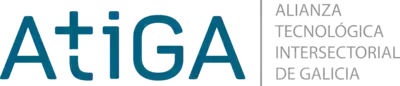

98% of employees at Galicia’s technology centres have permanent contracts. Why does it matter?
In a sector where project-based employment is the norm, the centres belonging to the ATIGA alliance have built an R&D employment model that prioritises stability, diversity and international reach.
More than 1,800 researchers and technicians work at ATIGA’s Galician centres, most on permanent contracts. With 36 nationalities represented and strong staff retention, Galicia offers a genuine destination for building an R&D career.

In the applied research labour market, temporary employment is not an exception: it is the dominant model. Contracts tied to a project’s duration, doctoral fellowships with an expiry date and positions that disappear when funding runs out. For many researchers, this instability is simply the price of working in a field they are passionate about.
Against this backdrop, one figure from the ATIGA alliance’s technology centres stands out: 98% of their more than 1,800 employees have permanent contracts. This is not a corporate social responsibility policy: it is the outcome of a business model that needs stability to function.
Employment stability as a strategy
Technology centres do not operate as organisations that recruit for a project and let the team go when it ends. Their competitive advantage lies in the opposite approach: accumulating specialist technical capabilities over time, which cannot be built in six months or easily replicated.
A researcher specialising in laser spectroscopy, biohydrometallurgy or quantum communications takes years to develop the expertise that makes a centre a reference point for industry in that technology. Losing that researcher at the end of a project means losing not only talent but also the centre’s standing in the field. That is why contractual stability is not a concession to employees but a strategic necessity of the model itself.
At ATIGA’s centres, 64% of employees have worked at the same centre for more than three years. This length-of-service figure confirms that retention is more than a stated ambition: researchers stay because the environment makes staying worthwhile.
Diversity as a sign of competitiveness
Thirty-six nationalities are represented across the workforces of the six centres in Galicia. This is not a figure usually associated with a location outside a major technology hub: it reflects the centres’ ability to attract skilled international talent to a region that historically saw its talent leave.
The explanation lies in the activity underpinning that appeal. ATIGA’s centres undertake more than 500 projects annually, 183 of them European or international. They participate in European research networks, secure funding through calls such as the MSCA programme and collaborate with partners across Europe. When an organisation operates at that level, researchers from other countries have concrete reasons to come: the projects, networks, publications and professional track record they can build here are comparable to those available at leading European centres.
Women account for 45% of the workforce across the six centres, completing the picture. In a historically male-dominated sector — particularly in highly specialised technical roles — this figure reflects sustained effort over time rather than statistical coincidence.
123 vacancies a year: a continuous flow of new recruits
ATIGA’s centres advertise 123 job vacancies annually, equivalent to an average of more than two new recruits per week. Some reflect the centres’ growth — their combined revenue exceeds €117 million and activity continues to increase. Others arise from natural staff turnover. A significant share also involves young researchers arriving from Galicia’s universities — USC, UDC and UVigo — who, in many cases, continue their careers within the centre.
This connection with Galicia’s university system helps attract talent at an early stage: many researchers first encounter the centres during their bachelor’s dissertation, master’s dissertation or doctorate, before joining as employees. This goes beyond conventional recruitment to build a scientific community over the long term.
The scale that makes everything else possible
Behind the workforce figures lies a scale of activity that is not always visible from outside. ATIGA’s centres serve more than 1,900 companies, 80% of them in industry. They hold more than 170 patents, either independently or jointly. They generate a direct economic return for Galicia exceeding €16 million annually. Their clients come from more than 40 countries.
This scale and reach allow the centres to offer a combination that private technology companies and public research organisations cannot provide in the same way: the stability of public-sector employment alongside the private sector’s focus on results, and the technical depth of academic research alongside direct application to real industrial problems.
The challenges that remain
An honest analysis cannot overlook the challenges. The centres’ geographical concentration around the urban hubs of Vigo and A Coruña limits their ability to attract talent seeking other settings. International competition for specialist researchers also intensifies each year.
These are significant challenges, but they do not invalidate the model. The 98% of permanent contracts, 36 nationalities represented and 64% of employees with more than three years of service indicate that ATIGA’s centres are retaining staff in a difficult talent market. The question is whether they will continue to do so as competition for the same professionals becomes increasingly global.
An ecosystem built over decades
Galicia now has close to 2,000 people working in applied research on stable contracts at technology centres with a European reach. This ecosystem did not emerge overnight: it is the result of decades of sustained investment in technical capabilities, institutional commitments that did not always deliver immediate results and centres that chose to build capabilities rather than outsource them.
For those seeking an R&D career, Galicia is no longer a second choice made for lack of alternatives elsewhere. For a growing number of researchers of different nationalities, it is the place they have chosen to stay.
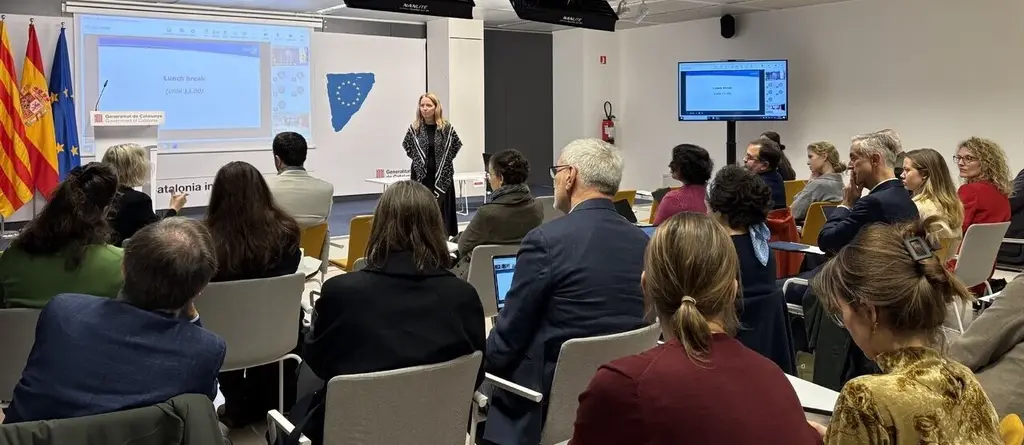
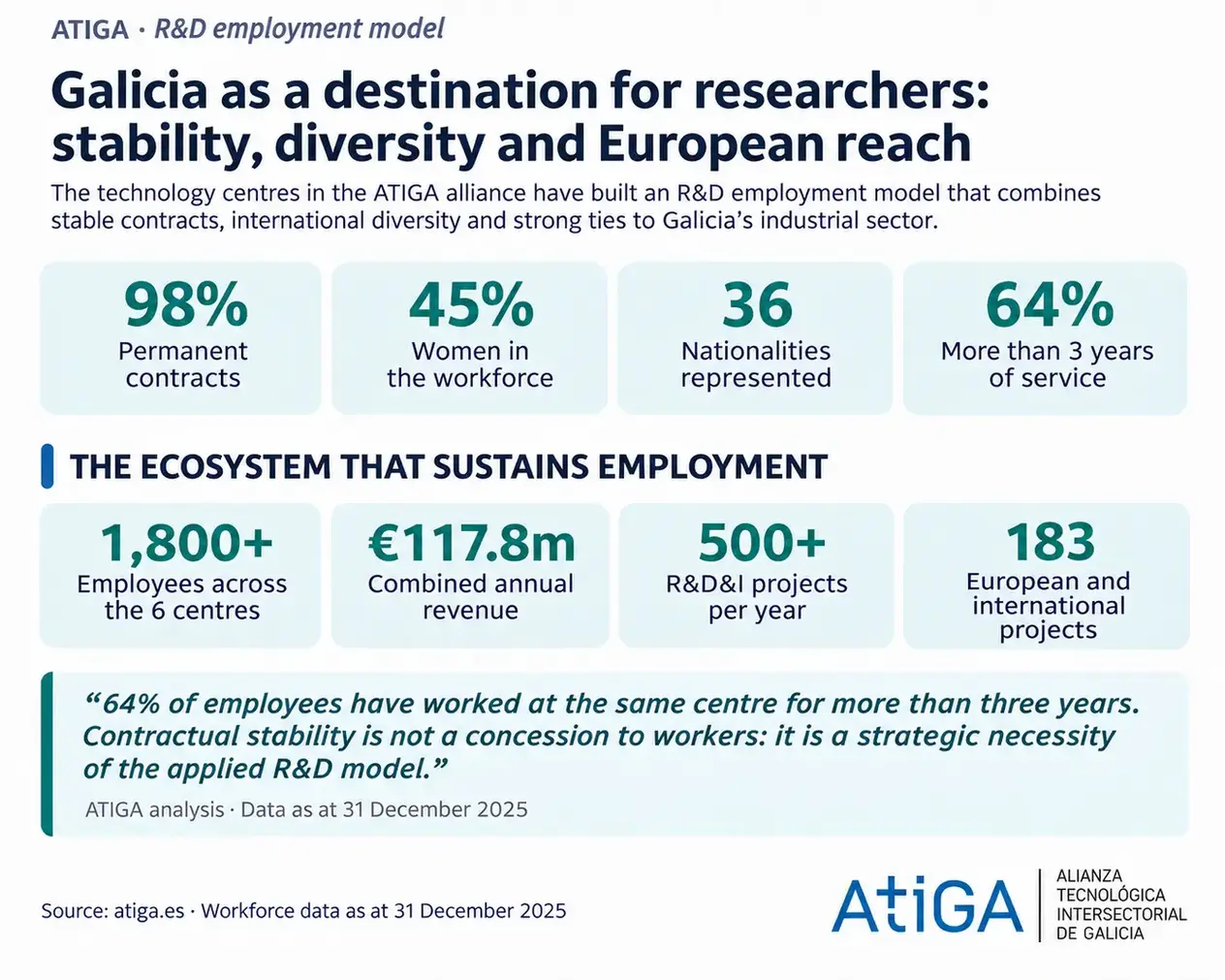
ATIGA examines the future of European R&I funding and opportunities for Galicia in Brussels
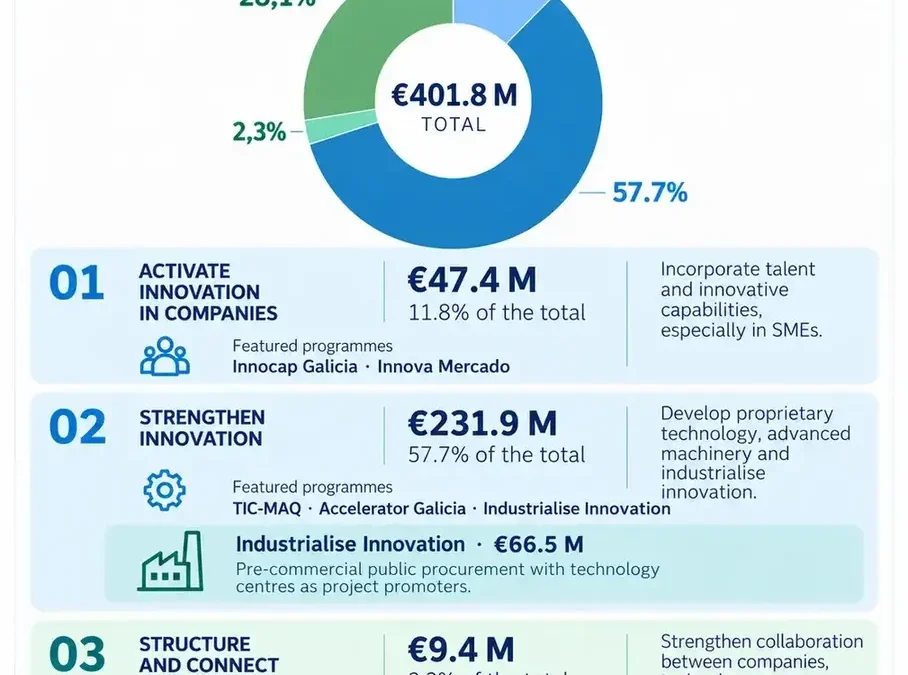
Galicia’s Innovation Strategy to Mobilise Over €400 Million to Bring Innovation into Galician Industry
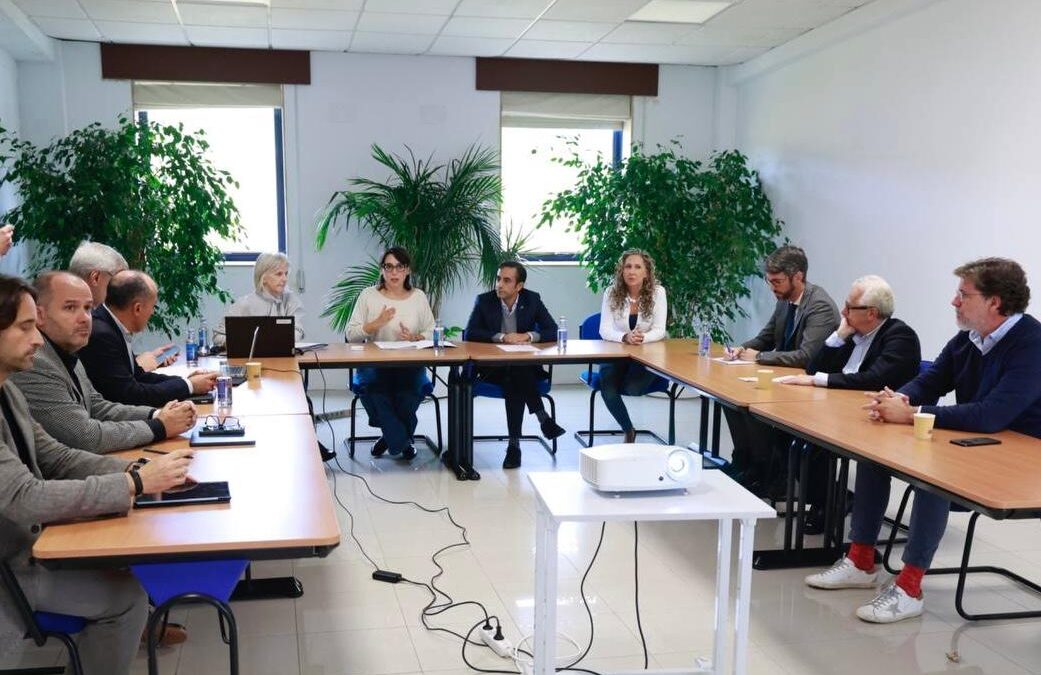
ATIGA meets with the Xunta to discuss the new strategy for industrialising innovation in Galicia
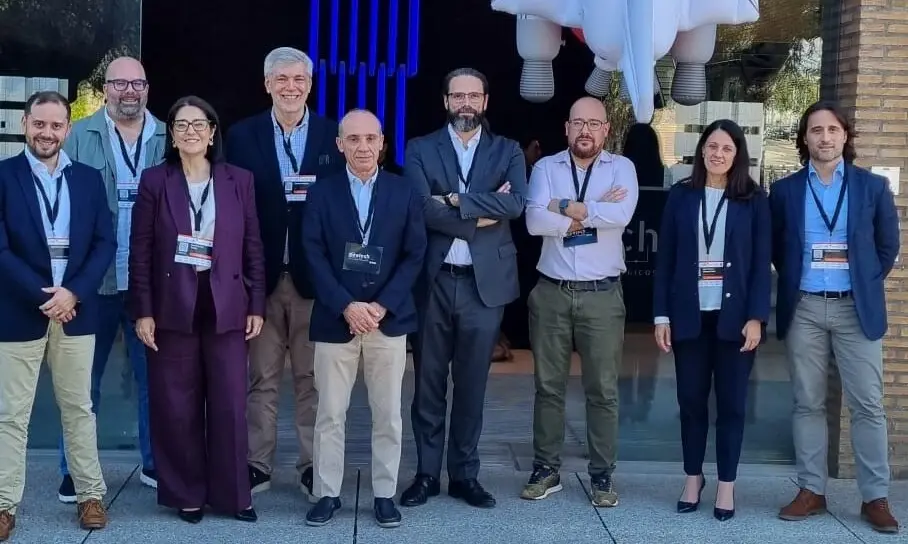
ATIGA at the forefront of Spain’s technological innovation at meetechSpain 2026

ATIGA strengthens its technological leadership after securing over €33 million for R&D&I in 2025

The ICT City of A Coruña is now a reality
Síguenos
