

From problem to plan: how to work with a technology centre
You do not need a fully defined project to start collaborating. An everyday business difficulty can be the starting point.
A technology centre can help clarify the challenge, explore alternatives and identify the testing or development work needed to address it.

A component that fails earlier than expected. A by-product that could be put to another use. An inspection that takes too many hours. Many conversations with a technology centre begin this way: with a problem affecting day-to-day operations that does not yet have a clear answer.
The company understands its processes, its customers’ requirements and the difficulties its team encounters. The centre can provide specialists and facilities to investigate the causes, explore alternatives or develop a solution. Together, they can address challenges that would be difficult to resolve using the company’s own resources.
Start with the problem
You do not need a written project proposal. Nor do you need to know which technology you need. A problem you cannot solve with your existing resources is enough.
Sometimes these conversations are delayed by the feeling that “we do not have enough to present yet”. You do not need to resolve every uncertainty before taking the first step. Technology centres can work with what the company already knows and help identify what it still needs to find out.
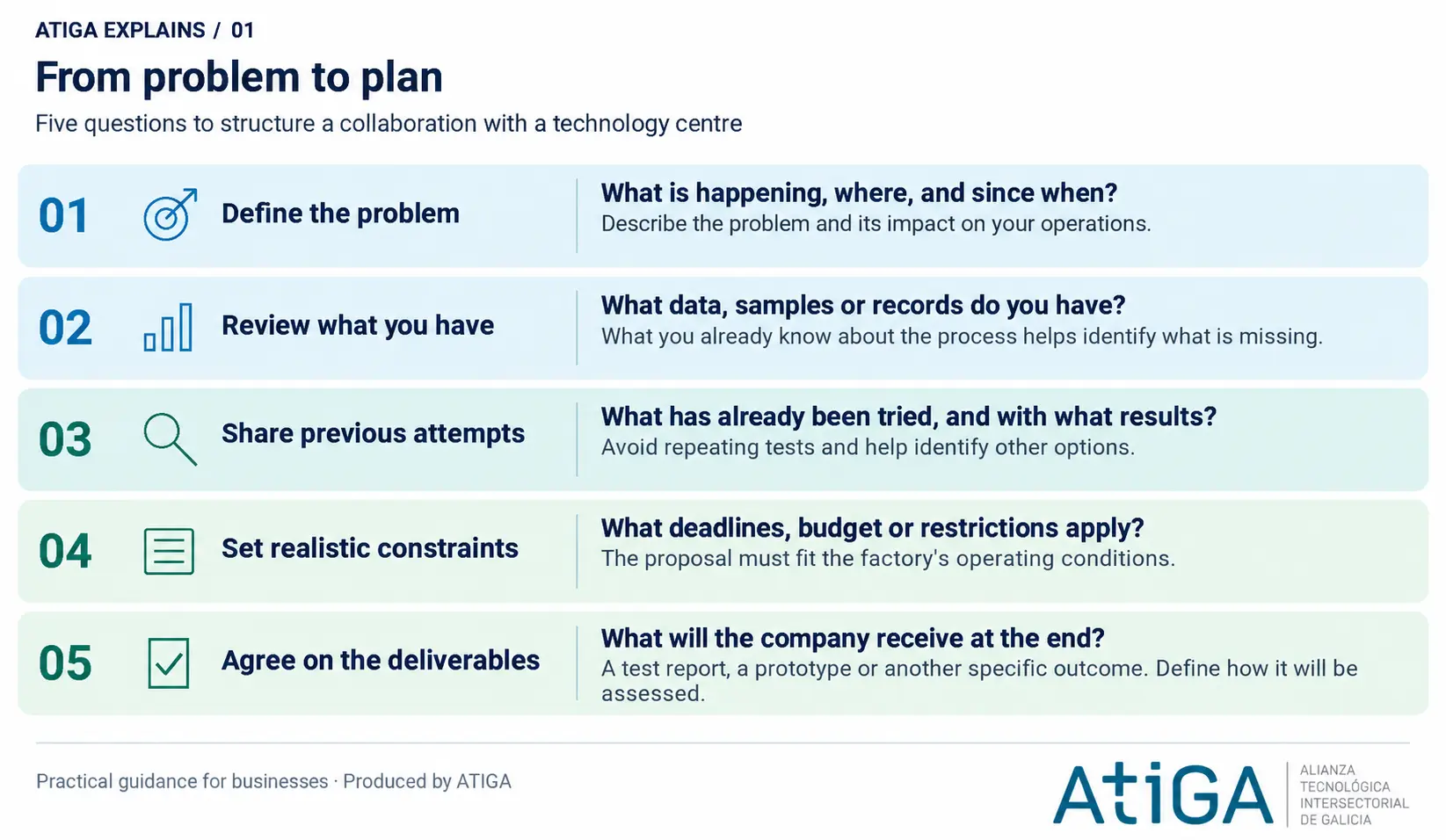
There is a fundamental difference between saying “we want to introduce artificial intelligence into our production line” and saying “we need to reduce inspection rejects without stopping the line”. The first statement raises many questions. The second provides a basis for starting work.
The more specific the starting point, the more useful the conversation. Before the meeting, it is therefore worth reviewing exactly what is happening, where in the process it occurs, how long it has been happening and what consequences it has. You do not need to arrive with all the answers: identifying missing information is also a valid starting point.
What ATIGA’s centres can do with that starting point
Once the problem has been defined, the next step is to consider how to address it. An existing technology may need adapting, a solution may still need developing, or a test may help resolve uncertainties before investing. The capabilities of ATIGA’s six member centres help address a wide range of needs:
AIMEN. Testing a new manufacturing process. A company considering laser welding needs to understand how it will perform with its materials and what conditions it requires. AIMEN has expertise in materials processing and advanced manufacturing, alongside facilities for experimenting with and validating technologies before introducing them into production.
ANFACO-CYTMA. Assessing how well a food product keeps. If a food company changes a product or its manufacturing process, it needs to assess how that change affects safety and preservation. ANFACO-CYTMA carries out shelf-life studies and validates heat treatments, providing evidence to support decisions about the product and its processing conditions.
CETIM. Finding a use for waste. A company that generates by-products may want to investigate whether they could serve as raw materials in another application. CETIM works on waste valorisation and materials development, providing capabilities to investigate alternative industrial uses and move towards more circular processes.
CTAG. Assessing whether a component will withstand its operating conditions. An automotive supplier needs to check how a component or system will respond to vibration, temperature changes or electrical loads. CTAG designs and carries out tests that reproduce these conditions to assess component reliability and identify problems during development.
GRADIANT. Turning production data into useful information. A company may have machine and process records without being able to use them to improve its operations. Gradiant can support the work from data collection and organisation through to analysis, combining digital technologies and artificial intelligence according to the company’s needs and starting point.
ITG. Understanding a process’s energy consumption. Before deciding where to act, a company needs to know how and when it uses energy. ITG develops sensing and data analysis solutions to study consumption and explore efficiency improvements. This work has been applied, for example, to the wood industry through the ENERWOOD project.
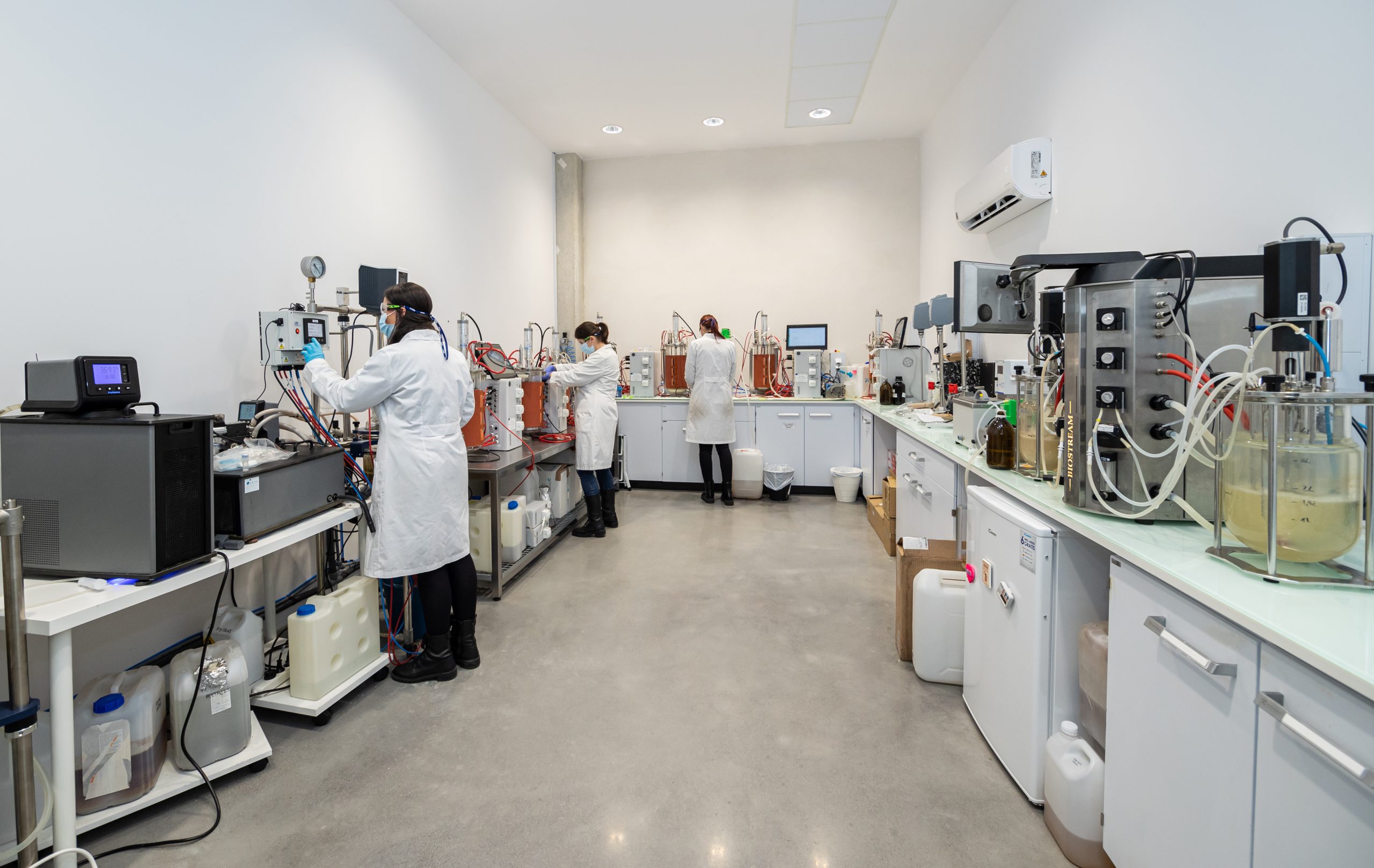
These examples form part of a broader offering, with capabilities that can complement one another and be applied across different sectors. For the company, the priority is to clarify what it needs to check and find the right expertise and resources to do so.
The form of collaboration will depend on the challenge. A test may answer a specific question; development work may require several phases. Agreeing from the outset on what will be done, which results will be delivered and how they will be assessed helps establish the scope of the work and determine the next steps.
A practical example: automating an inspection
Consider a company that wants to automate the visual inspection of its products. It does not know whether the available technology can accommodate its actual operating conditions: variable lighting, irregularly shaped components and demanding production line speeds.
Before extending the system across the facility, it makes sense to run a test using representative samples. This involves defining which defects the system must detect, the conditions under which the test will take place and the level of accuracy required. The results provide evidence for deciding whether to proceed, adjust the approach or rule out that option.
That is the value of a well-designed collaboration: it does not always provide an immediate answer. It provides the information needed to make a better decision than would otherwise be possible.
What to agree before starting
When collaboration involves sharing technical information or process data, it is important to establish from the outset how that information will be protected. Before any development work begins, it is also worth clarifying who will own the results and under what conditions the company may use them.
The World Intellectual Property Organization (WIPO) identifies these issues as central elements of technology collaboration agreements. Addressing them early helps both parties understand their rights and responsibilities before work begins.
The scope of the assignment should also be clear: a test report, a prototype and a solution ready for industrial implementation are very different deliverables. Knowing what will be received and what further work may be needed helps prevent expectations that are difficult to manage.
What this collaboration actually achieves
It does not always lead to an immediate solution. Sometimes the most valuable result is finding out that an option is not viable before investing in it. Or identifying the information needed to plan the next step properly.
A useful collaboration does not necessarily produce a new development. It enables the company to make a better-informed decision: proceed with a technology, rule out an alternative, adjust expectations or approach the challenge differently.
That is why the question to ask from the outset is not “which technology do we need?” but “what will we learn from this work, and how will that knowledge help us?”
That is the purpose of collaboration: to provide knowledge and evidence that help companies make clearer decisions.
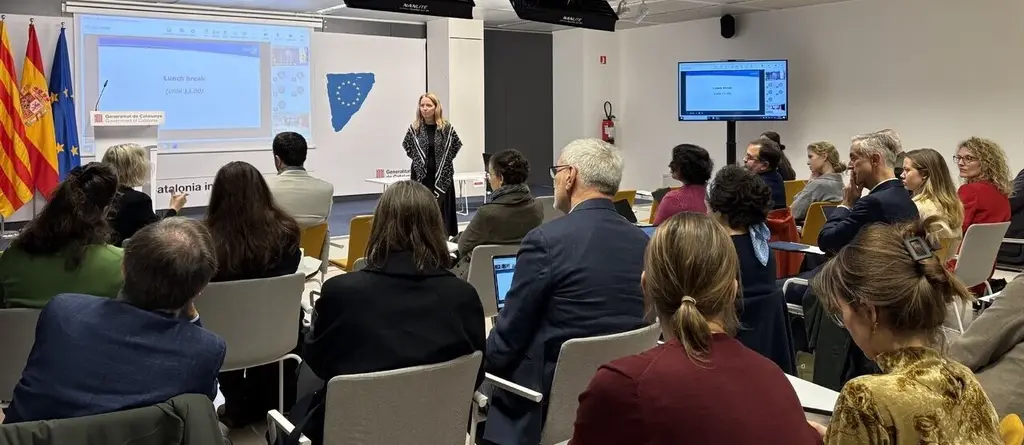
ATIGA examines the future of European R&I funding and opportunities for Galicia in Brussels
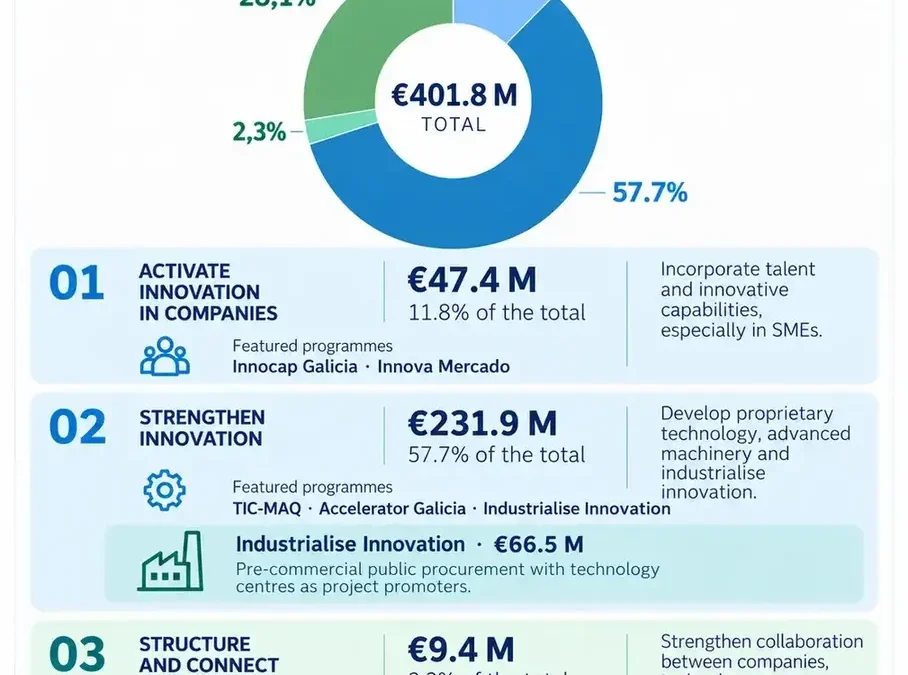
Galicia’s Innovation Strategy to Mobilise Over €400 Million to Bring Innovation into Galician Industry
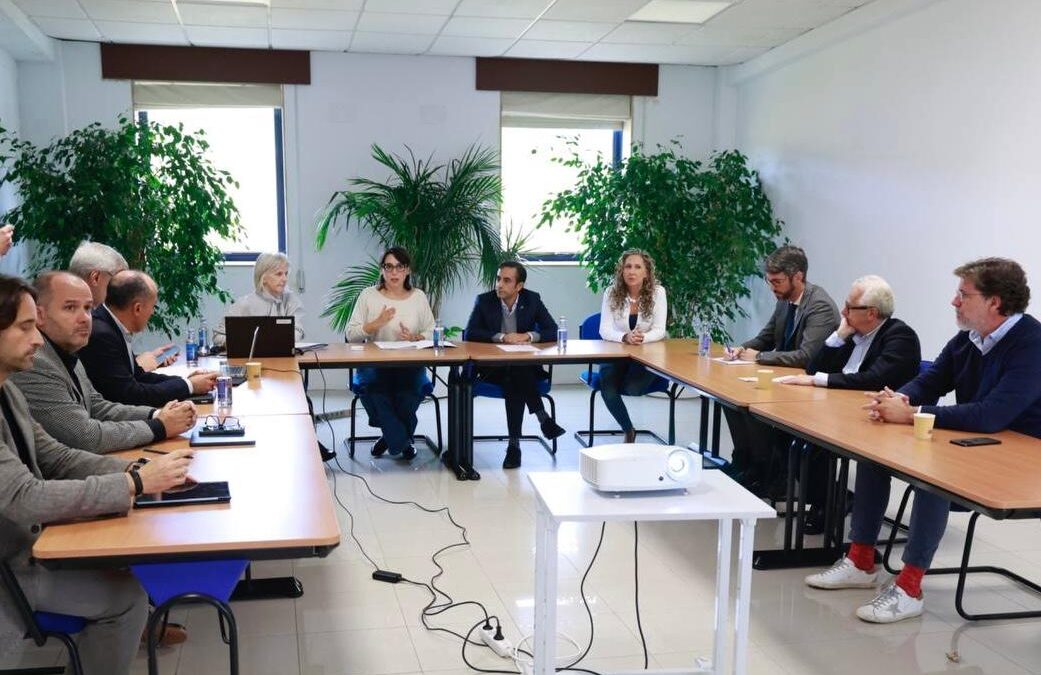
ATIGA meets with the Xunta to discuss the new strategy for industrialising innovation in Galicia
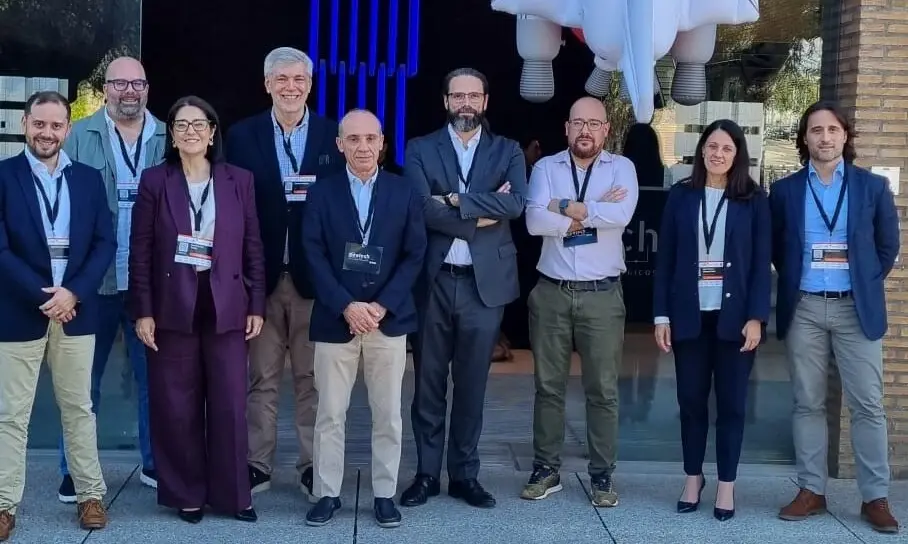
ATIGA at the forefront of Spain’s technological innovation at meetechSpain 2026

ATIGA strengthens its technological leadership after securing over €33 million for R&D&I in 2025

The ICT City of A Coruña is now a reality
Síguenos
