

After patenting, how does a technology reach the market?
A patent protects an invention. Turning it into a product or a process used by a company still requires further decisions.
Licensing, assigning rights and setting up a new company are routes for bringing a technology to market.
Choosing an approach requires understanding who will use the technology, what development work remains and which resources will be needed.

A company learns about a new treatment that could extend the service life of its components. Tests show promising results and the invention is patented. The company is interested in using it, but the first questions arise.
Can it introduce the treatment into its process? Does it need to buy the patent? Who will teach its team how to apply the treatment? What happens if it needs to modify it to work with other materials?
The patent helps define one part of that relationship: the rights over the invention. Putting it into use also requires agreement on how the technology will be accessed, which knowledge will be provided and who will carry out the necessary adaptations.
Protecting the invention and preparing for its application
A patent allows its owner to prevent certain uses of the invention by third parties without consent, within the territory and duration of protection. Its grant does not demonstrate that there is demand or that the technology is ready for industrial-scale production.
As discussed in the article on industrial validation, further work may be needed to assess how a technology performs under the company’s operating conditions. It is also necessary to identify who can manufacture it, integrate it or provide the service needed to use it.
WIPO describes technology transfer from laboratory to market as a process requiring companies able to invest time and resources, the knowledge needed to apply the technology and a market interested in the result.
These issues should be addressed during development. Talking to potential users helps establish the performance they need, the difficulties they encounter and what the solution would have to offer for them to adopt it.
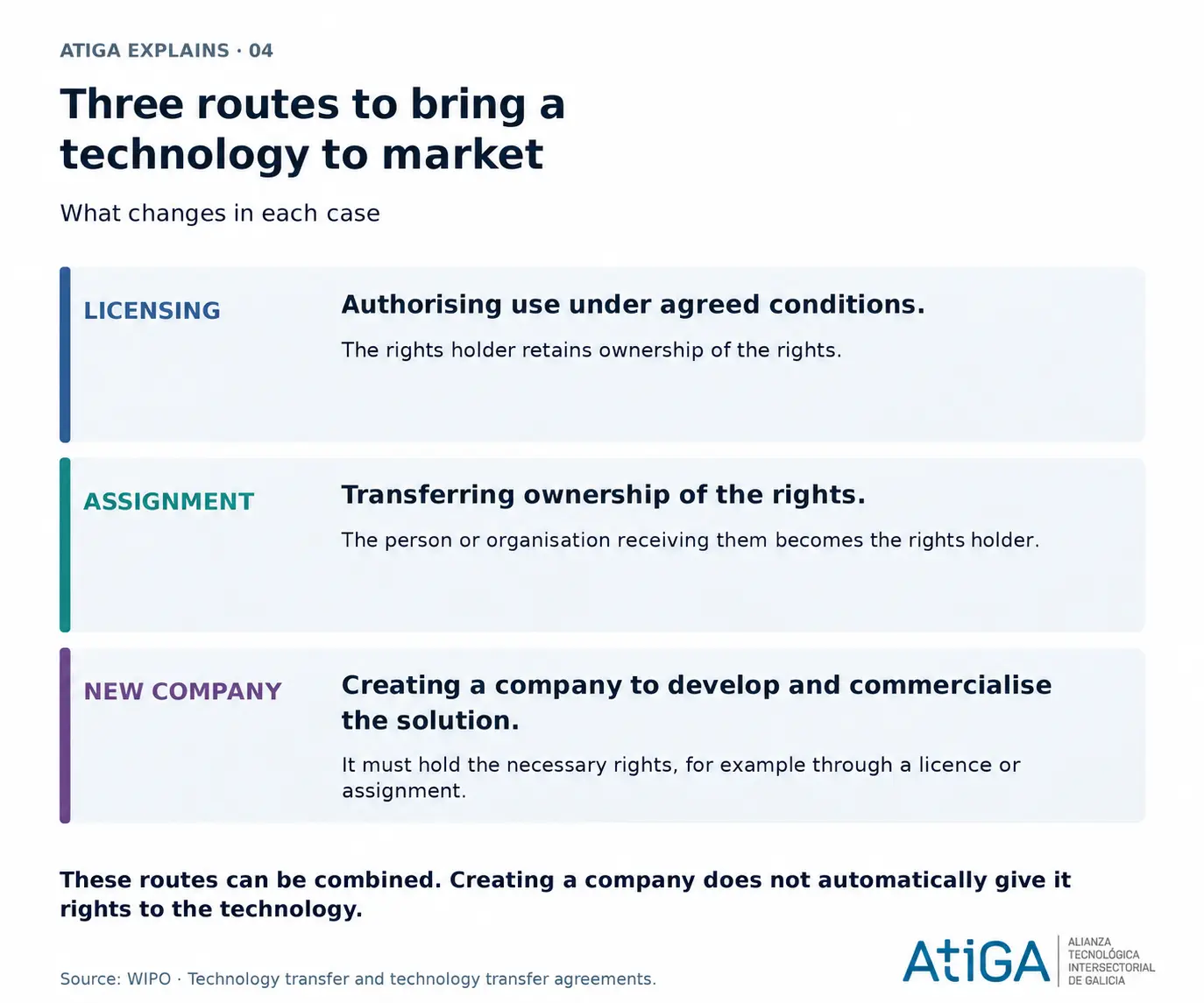
Three routes for bringing a technology to market
The choice depends on the rights available, each party’s capabilities and the work each is willing to undertake.
Licensing: authorising use. The owner retains ownership of the rights and allows another organisation to use them under agreed conditions. This may suit a company that wants to incorporate a technology into its products or processes without acquiring ownership.
Assignment: transferring ownership. The rights identified in the agreement pass to a new owner. It is important to specify what is being acquired and which other elements are needed to apply the technology: documentation, technical knowledge or assistance.
A new company: organising development and commercialisation. A company may be established to continue development, raise funding and serve customers. It will need a team and resources, alongside the rights to exploit the technology. These rights may be obtained, for example, through a licence or an assignment.
These routes can be combined. A new company may commercialise a technology whose patent remains owned by the centre that developed it. Establishing the company and agreeing access to the rights are related but separate decisions.
A practical example: introducing a treatment into a production line
Let us return to the treatment designed to extend component life. Consider a company that wants to apply it to the parts it manufactures.
A licence could authorise that use. To introduce it into production, the company would also need to know the application parameters, quality controls and limitations identified during testing.
The treatment may have been developed using a different material. In that case, its performance with the company’s components would need to be tested, and responsibility for that work agreed.
The agreement may be accompanied by training and assistance during start-up. This clarifies what the company receives and what it must contribute to begin using the solution.
Securing access to the rights addresses a necessary issue. Ensuring that the team knows how to apply the treatment and maintain its performance also requires that knowledge transfer to be organised.
What is transferred beyond the patent
The technical knowledge accumulated during development can be essential to using the results. This is often called know-how: working methods, adjustments, operating criteria or experience of what works and what should be avoided.
In the example above, knowing the application sequence and how to correct a deviation may be as necessary for start-up as access to the rights over the invention.
Results can also be transferred without a patent: software, procedures or technical knowledge. Their protection and conditions of use depend on their nature and the existing rights. WIPO recognises licensing for patents, know-how and other intellectual property assets.
It is therefore important to identify what the company actually needs to receive. A reference to “the technology” may leave out information required to apply it.
What the agreement should clarify
The WIPO guide to technology transfer agreements covers different mechanisms and notes that contracts must be tailored to each case. Five questions can help prepare the discussion.
What is being transferred?
Identify the rights, documentation and knowledge included, alongside the planned deliverables and outstanding adaptations.
Who can use it?
Specify who receives the rights and, in a licence, whether it is exclusive or whether authorisations may be granted to other organisations.
For which uses and markets?
Define the applications, territories and duration of the authorisation. Permission to use a technology for one activity does not imply rights to use it for any other.
On what financial terms?
Agree on payments, any royalties and the costs of adaptation or maintaining the rights. The company needs to assess the overall cost of putting the solution into use.
What technical support is included?
Specify training, assistance, testing and responsibilities during implementation, with defined timescales and time commitments.
Confidentiality and the treatment of subsequent improvements should also be addressed. Specialist legal advice should support the negotiations so that the agreement reflects what the parties need to do.
How ATIGA’s centres can help
Technology transfer connects the knowledge developed with a company’s ability to use it. Throughout this process, ATIGA’s centres — AIMEN, ANFACO-CYTMA, CETIM, CTAG, Gradiant and ITG — contribute capabilities across technological fields, from manufacturing and materials to food, mobility, digital technologies and energy.
Depending on the project and the rights available, collaboration may include joint development, access to results and technical support. Working arrangements and conditions must be defined for each case.
As explained at the beginning of this series, clarifying from the outset who will own the results and how the company may use them makes subsequent decisions easier. When the time comes to exploit those results, this groundwork helps establish what each party can offer and which commitments it needs to make.
Questions to ask within your company before starting
- Which result do we want to use, and which rights do we need to do so?
- What knowledge, adaptations and technical support will be required?
- Do we have the team, funding and access to customers needed to develop this opportunity?
A patent can facilitate negotiations with partners and companies. Bringing a technology to market requires someone to undertake the remaining development, organise production or service delivery and secure customers. The transfer agreement should enable that work to move forward by making clear what each party receives, what it can do with it and what it is responsible for.
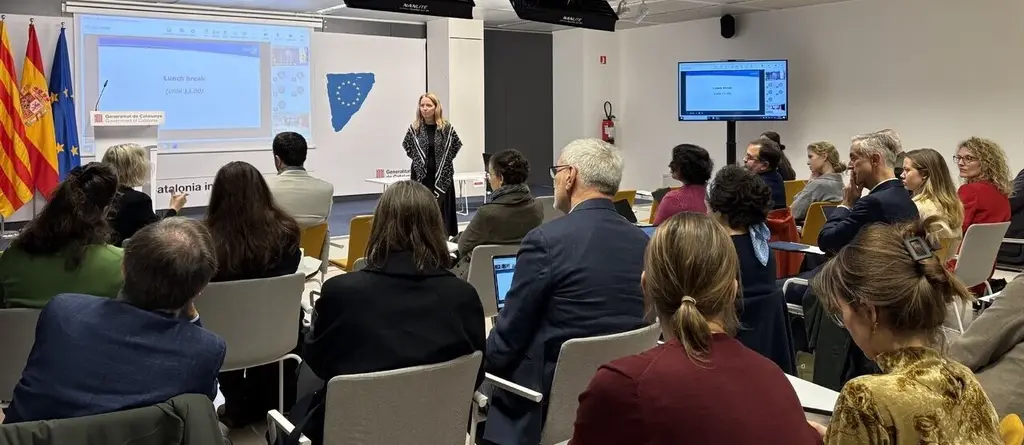
ATIGA examines the future of European R&I funding and opportunities for Galicia in Brussels
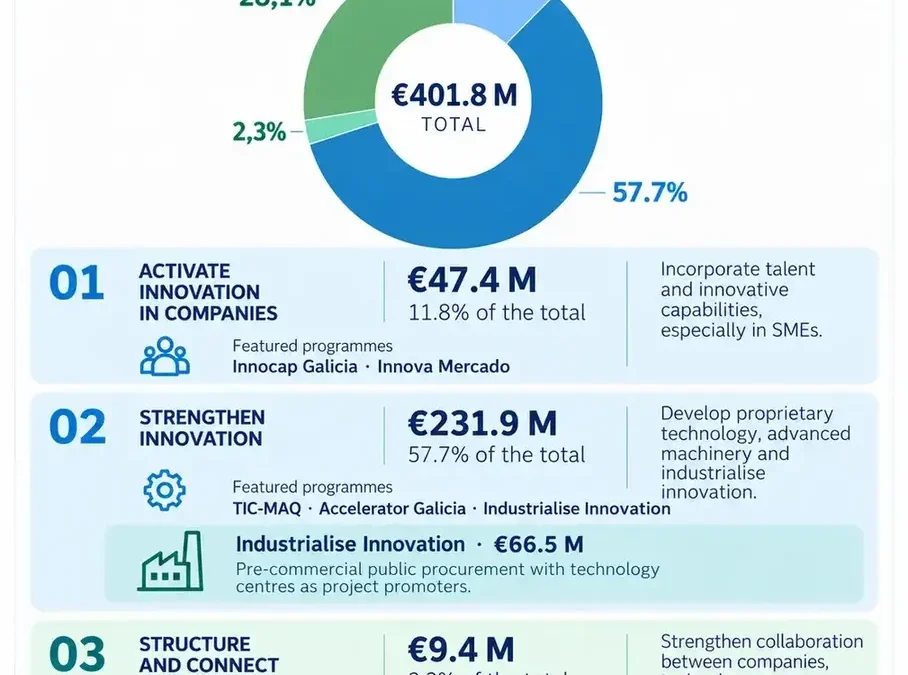
Galicia’s Innovation Strategy to Mobilise Over €400 Million to Bring Innovation into Galician Industry
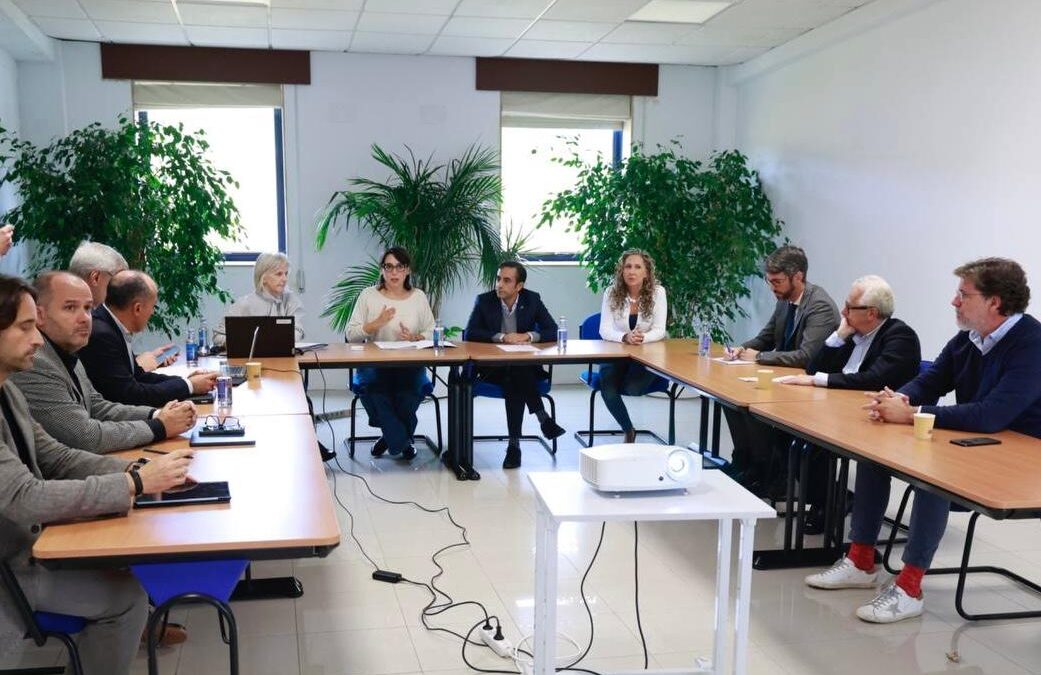
ATIGA meets with the Xunta to discuss the new strategy for industrialising innovation in Galicia
ATIGA at the forefront of Spain’s technological innovation at meetechSpain 2026

ATIGA strengthens its technological leadership after securing over €33 million for R&D&I in 2025

The ICT City of A Coruña is now a reality
Síguenos
