

From prototype to factory: what needs to be checked before taking the next step?
Prototypes, demonstrators and pilot plants help assess how a technology performs before its use is expanded.
The value of these tests depends on what needs to be checked, how it is measured and which decisions will be made using the results.

A new gripping system successfully picks up and positions a component without damaging it. The movement works and the design looks suitable. The company wants to know whether it can introduce the system into its production line.
In production, however, it will have to handle components from different batches, maintain throughput for hours and coordinate with other equipment. It must also allow someone to clean it, adjust it or resolve a problem.
Between that first test and day-to-day operation, there are questions worth resolving before investing in installation. This is what prototypes, demonstrators and pilot plants are for: testing aspects of a design or process and gathering information to decide how to proceed.
Start with what needs to be checked
The previous article explained how technology readiness levels help interpret what has been demonstrated and in which environment. The next step is to establish which tests the company needs to bring that development closer to its operations.
Building a complete facility is not always necessary. If the question concerns how a material responds to a particular temperature, a specific test may be enough. If the aim is to check how several pieces of equipment work together, that interaction will need to be reproduced.
Before choosing the resources, define the question. “We want to run a pilot test” says little about what you expect to learn. “We need to check whether the process maintains quality when operating for several hours with our raw material” provides a basis for designing it.
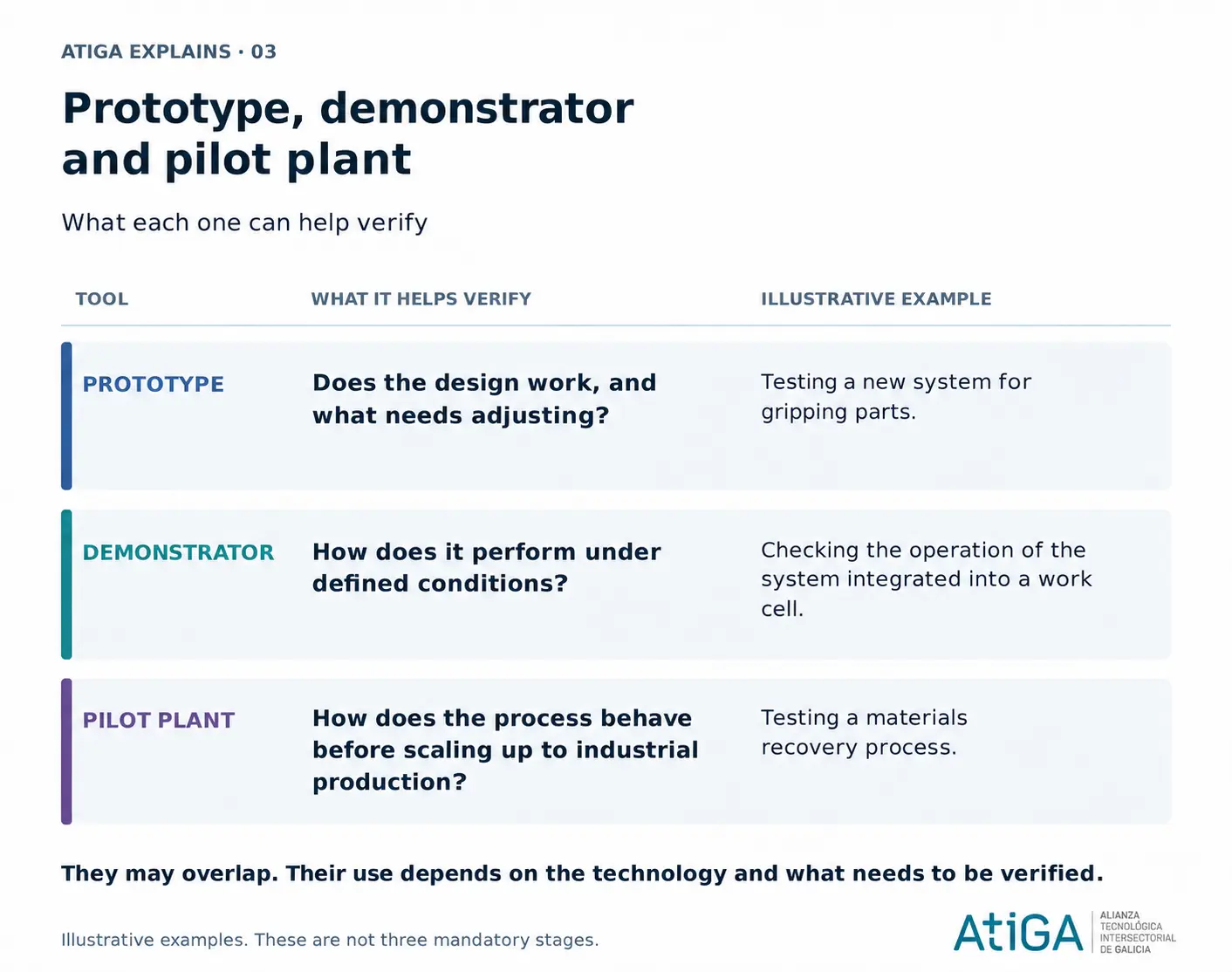
Prototypes, demonstrators and pilot plants: what each is for
A prototype allows a design to be tested and helps identify what needs adjusting. It may represent part of the solution or a more complete system, depending on what needs to be studied. In the gripping example, it would help check whether the geometry, materials or applied force are suitable for handling the components.
A demonstrator allows a technology’s performance to be tested and shown under defined conditions. It may bring together different elements to study how they operate as a system. In the same example, it would show how the gripping system works within a work cell, coordinated with the robot and sensors.
A pilot plant allows a process to be tested at an intermediate scale and provides information for subsequent scale-up. In a materials recovery process, it can help assess how raw material composition, treatment times or operating conditions affect performance.
The terms can overlap, and their use varies according to the technology. A prototype may form part of a demonstrator; a pilot plant may be used to demonstrate a process. These are not three compulsory stages. What matters is clarifying what each facility can test and how far its results can be applied.
The European Commission includes testing facilities, pilot lines and plants, and demonstration facilities among the technology infrastructures that support technology development, validation and scale-up. These infrastructures enable businesses to carry out checks before committing to larger investments.
A practical example: recovering materials from waste
Consider a company that wants to recover a usable material from one of its waste streams. The initial tests successfully separate it and produce a sample of the required quality.
Before designing the capacity of an industrial facility, several questions remain. Is the same result obtained with waste from different batches? How much material is recovered? How much energy and water does the process require? Are other streams generated that will need treatment?
A pilot test can help study these variables using larger quantities and operating for long enough to observe changes. It can also reveal problems that rarely appear in small-scale tests: build-up, blockages or declining effectiveness.
The results would allow operating conditions to be reviewed and the next step to be prepared. Scaling up requires studying how the equipment and process behaviour change; multiplying the quantities used in the initial test is not enough to determine the facility’s design and capacity.
What to measure before scaling up
Measurements should address the process requirements. They should be agreed before testing begins, alongside the criteria for assessing whether the results are sufficient.
Throughput and yield. How much the solution produces, processes or recovers within a given time. It is important to check whether it achieves the required rate and what happens when the workload changes.
Quality. Whether the result meets the company’s specifications. In the previous example, recovering more material would have limited value if its composition prevented it from being used.
Repeatability. Whether results remain consistent when the test is repeated, a different batch is used or the process operates for longer. One successful run provides information, but may not be enough to establish process stability.
Resource consumption. The energy, water, auxiliary materials or consumables required. Measuring these per unit produced or treated helps estimate operating costs.
Safety. The risks that arise during operation and tasks such as cleaning, adjustment or clearing blockages. Tests must be planned with safeguards appropriate to the scale of the work; the results do not replace the checks required for the final installation.
Integration. How the solution connects with existing equipment and working arrangements. Space, connections, data exchange and the tasks people will need to carry out must all be considered.
The report should record the test conditions, results and limitations. This information helps establish which conclusions can be applied to the company’s process and which require further checks.
How ATIGA’s centres can help
Designing a useful test requires an understanding of the process and the resources to reproduce the conditions that matter. The company contributes its materials, production requirements and the experience of the people who work with them. The technology centre can help define the tests, select the measurements and interpret the results.
ATIGA’s centres — AIMEN, ANFACO-CYTMA, CETIM, CTAG, Gradiant and ITG — bring together capabilities in advanced manufacturing, food, materials, digital technologies, mobility and energy. This range of expertise enables them to address validation needs across different sectors.
One example is AIMEN’s facilities described in the European INTEGRADDE project, used to develop and validate laser processes, manufacture prototype components and produce small batches. These resources allow an alternative manufacturing approach to be studied before deciding whether to introduce it into production.
The collaboration should specify what will be tested, which materials will be used and which documentation the company will receive. It should also identify the differences that will remain between the test and the future installation.
Questions to ask within your company before starting
- What uncertainty do we need to resolve before investing in implementation?
- Do the tests reproduce the materials and conditions that most affect our process?
- Have we agreed which results would justify moving forward and which would require changes?
A test may justify the next step, show that the design needs changing or reveal a limitation that warrants stopping development. Its value lies in providing that information in time. Before introducing a solution into the factory, the company needs to know what it can expect from it and what still needs to be checked.
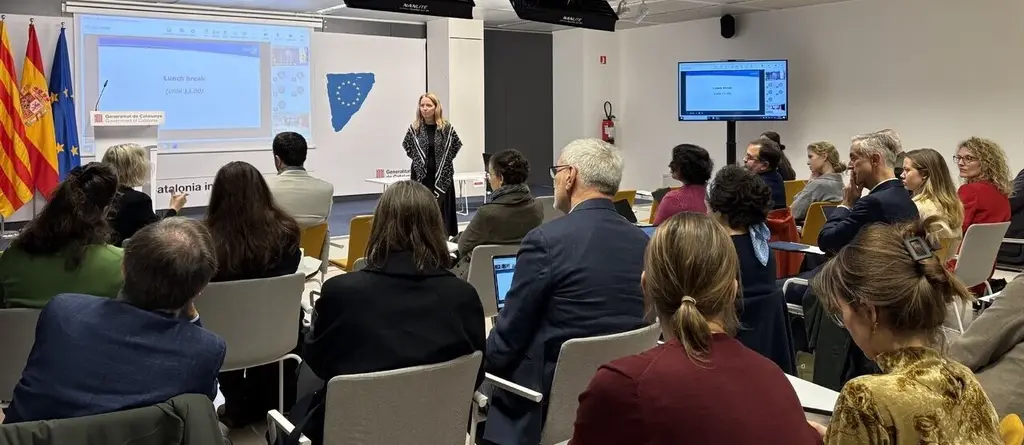
ATIGA examines the future of European R&I funding and opportunities for Galicia in Brussels
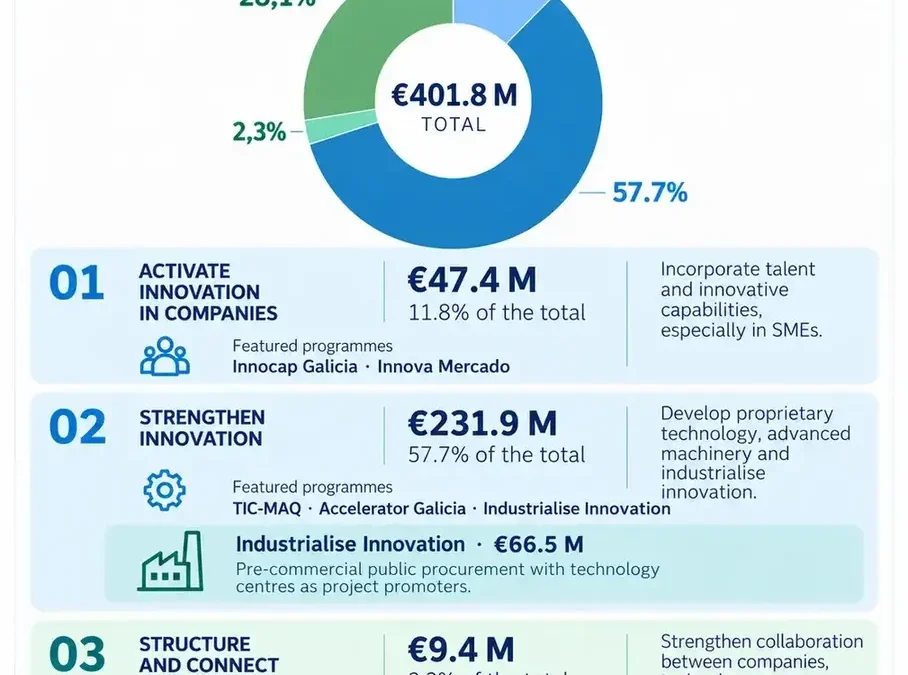
Galicia’s Innovation Strategy to Mobilise Over €400 Million to Bring Innovation into Galician Industry
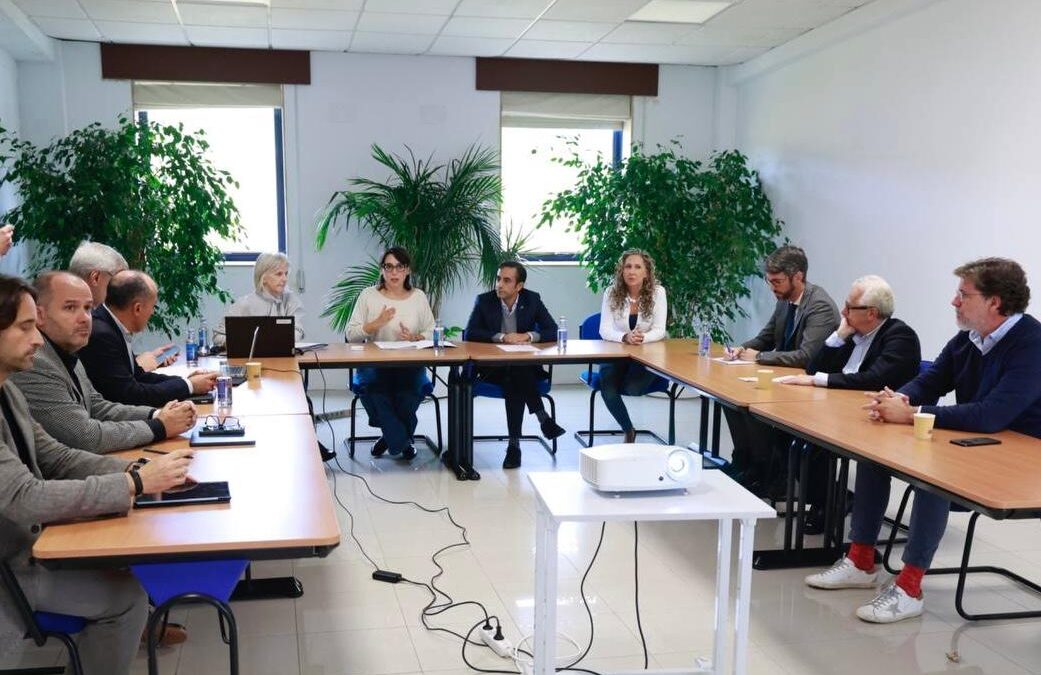
ATIGA meets with the Xunta to discuss the new strategy for industrialising innovation in Galicia
ATIGA at the forefront of Spain’s technological innovation at meetechSpain 2026

ATIGA strengthens its technological leadership after securing over €33 million for R&D&I in 2025

The ICT City of A Coruña is now a reality
Síguenos
