
European Innovation Act: the role of technology centres
A technology can work and still struggle to find buyers. A company can hold a patent yet face difficulties financing its development. The proposed European Innovation Act seeks to address obstacles that prevent knowledge from reaching the market.

Europe produces high-quality research, but turning its results into products and businesses capable of growing remains challenging. Finding a first buyer, demonstrating the economic value of a development or commercialising it in another country can require as much effort as solving the original technical problem.
The European Commission has placed these difficulties at the heart of the European Innovation Act. Its proposal aims to improve the conditions for knowledge developed in Europe to find applications and markets. The official presentation of the initiative links this objective to competitiveness and technological sovereignty: developing technology matters, as does having the means to realise its economic value.
What the European Innovation Act proposes
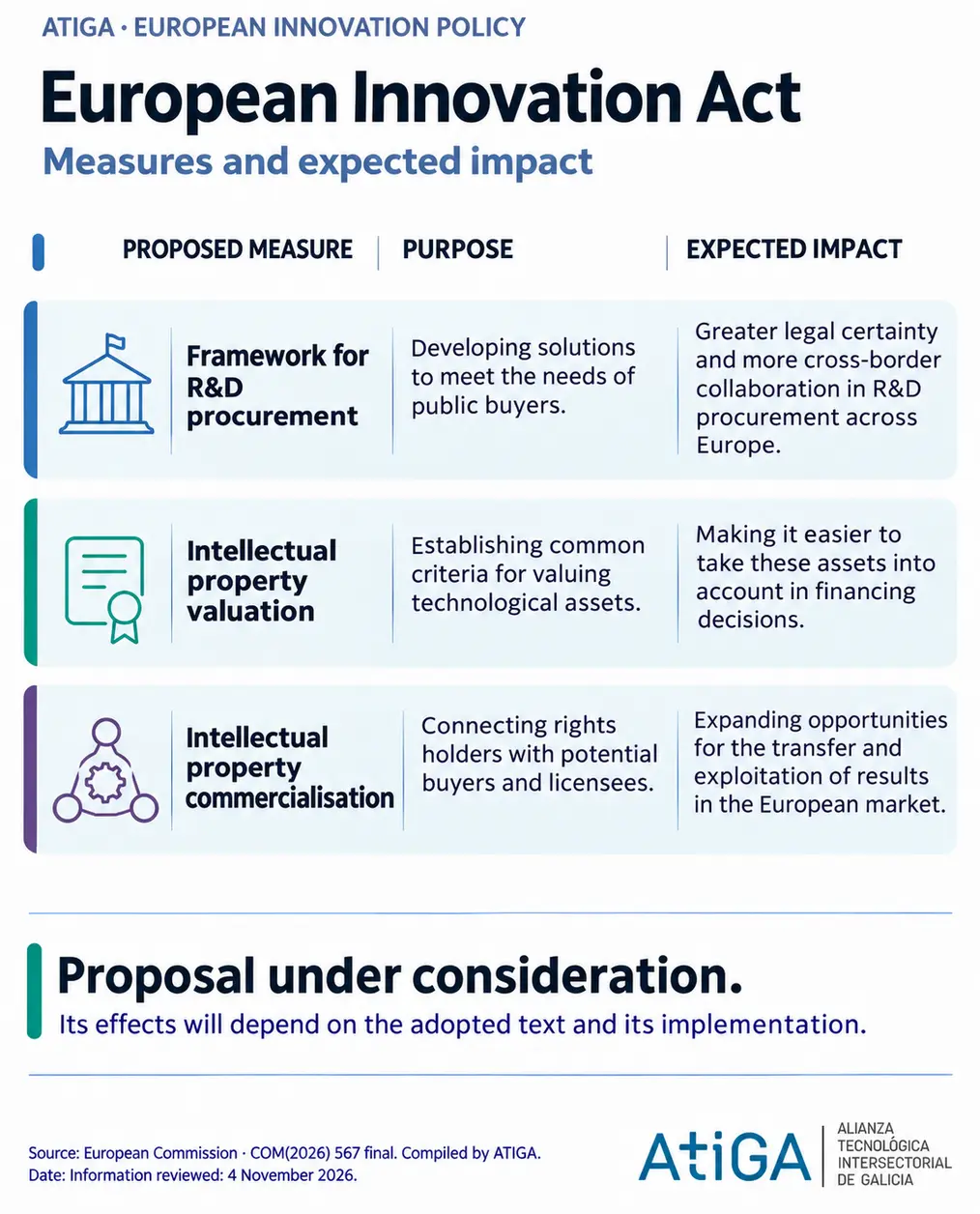
The Commission presented its proposal for a regulation on 9 September 2026. The three measures shown in the infographic illustrate its main areas of action: R&D procurement, intellectual property valuation and the commercialisation of these assets.
A common framework for R&D procurement
The proposal seeks to establish harmonised rules for research and development procurement, including pre-commercial procurement. The aim is to make it easier for public buyers to commission solutions for needs that require technological development.
Consider a public authority that needs an environmental monitoring tool with capabilities not yet available on the market. R&D procurement allows it to commission research and development work to explore solutions. The proposed framework seeks to provide legal certainty and facilitate collaboration between buyers in different countries.
Criteria for valuing intellectual property
A patent may be technologically valuable yet difficult for a financial institution or investor to value. The proposal sets out a European valuation framework to help these assets be taken into account in financing decisions.
The proposed text includes new tasks for the European Union Intellectual Property Office, including a competence centre for intellectual property-backed finance.
Better asset valuation does not guarantee funding. It can, however, provide clearer and more comparable information for assessing an asset’s economic potential.
More opportunities to commercialise results
The initiative also proposes a European intellectual property marketplace to connect rights holders with potential buyers and licensees.
Its purpose is to expand opportunities to exploit results beyond the immediate networks of those who developed them. For a company, this could make it easier to identify available technologies; for rights holders, it could facilitate contact with organisations interested in using them.
Why it matters to technology centres
These measures concern activities to which technology centres can contribute their expertise: developing solutions for specific needs, preparing results for exploitation and collaborating with companies that want to adopt them.
Their contribution combines scientific and technical specialisation with experience in industrial processes. This connection helps identify outstanding development work, potential applications for a result and what a company needs to use it.
From this perspective, the proposal’s direction reinforces the relevance of technology centres as knowledge transfer organisations. This is an interpretation of how they fit the European objectives; the future legislation does not automatically give them preferential status or guarantee new contracts.
The opportunity will depend on their ability to connect results with business needs, participate in development work and support implementation.
Galicia has complementary capabilities
Galicia has a technological base from which to contribute to this effort. AIMEN, ANFACO-CYTMA, CETIM, CTAG, Gradiant and ITG, all members of ATIGA, bring together specialisms in advanced manufacturing, mobility, energy and sustainability, digital technologies, new materials and food.
ATIGA’s technological offering combines shared capabilities with complementary specialisms. This makes it possible to address needs spanning several disciplines: developing a material, studying its manufacture and monitoring its behaviour during use, for example.
The alliance brings together more than 1,800 professionals and serves over 1,900 companies. These figures illustrate the scale of its teams and its business connections. Making use of this base requires developments to find users and a sustained industrial application.
What opportunities it could create for Galician companies
Business interest centres on three issues: participating in development work for public buyers, accessing technological results and preparing assets for exploitation or financing.
The centres can contribute specialist knowledge, develop technology or collaborate on its adaptation. Their specific role will depend on the project, the available rights and the participation conditions.
How it relates to the ERA Act
The European Innovation Act addresses obstacles to bringing innovations to market. The ERA Act — the European Research Area Act — is still being prepared and focuses on conditions within the European Research Area: coordination, investment, mobility, research careers and the circulation of knowledge.
The European Commission presents the ERA Act as a response to fragmentation across research systems. The two initiatives complement one another: one addresses the conditions for conducting research; the other tackles difficulties in putting the results to use.
A European opportunity that requires action in Galicia
As the European Innovation Act progresses through the legislative process, Galicia can work on its knowledge transfer capabilities. The European direction aligns with the priority of turning innovation into industrial activity set out in the Galician Business Innovation Strategy, which extends to 2028.
Making the most of this alignment requires companies that develop and adopt technology, centres that connect knowledge with business needs and public authorities that facilitate investment and demand. ATIGA’s complementary capabilities provide a foundation for expanding this work and contributing to a more innovative Galicia.
Europe can make the route to market easier. Galicia’s industrial progress will depend on how much knowledge it can turn into productive activity.
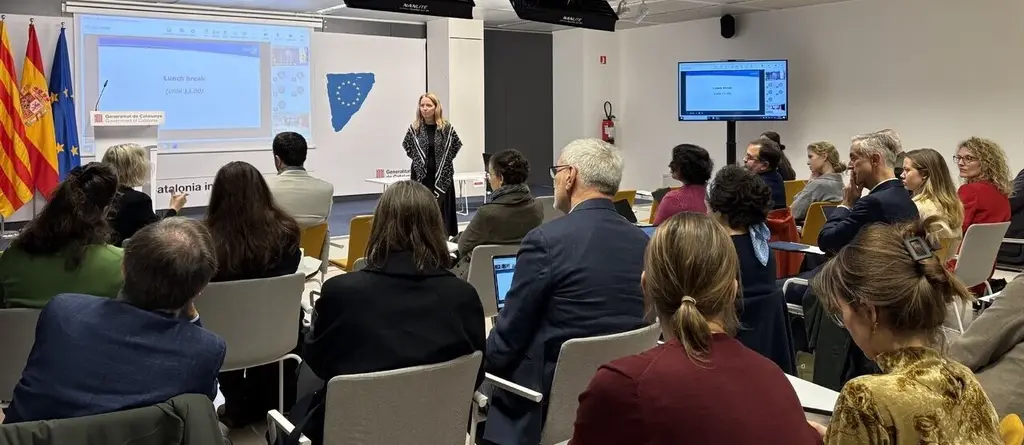
ATIGA examines the future of European R&I funding and opportunities for Galicia in Brussels
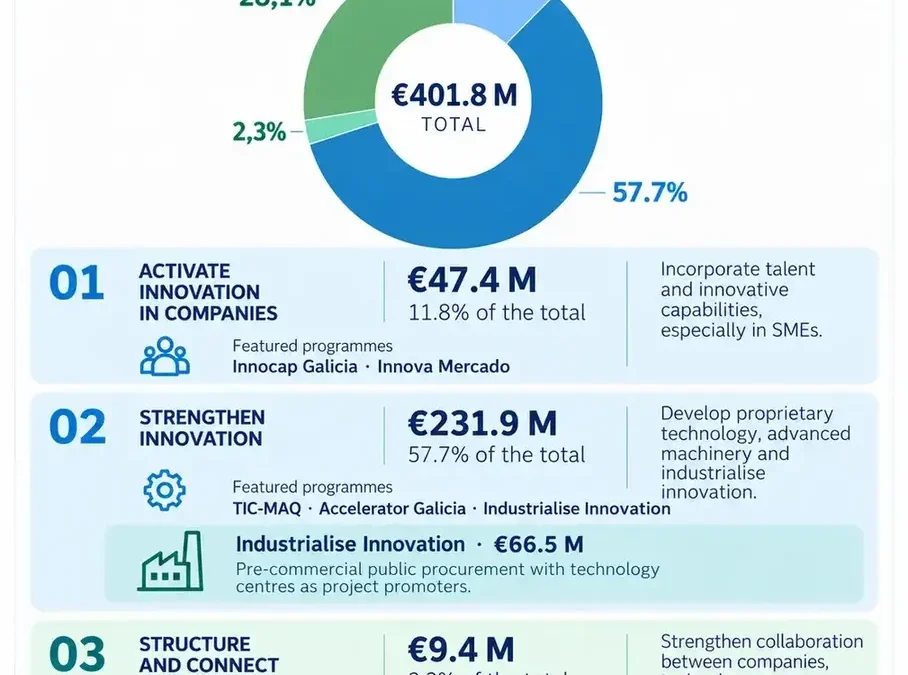
Galicia’s Innovation Strategy to Mobilise Over €400 Million to Bring Innovation into Galician Industry
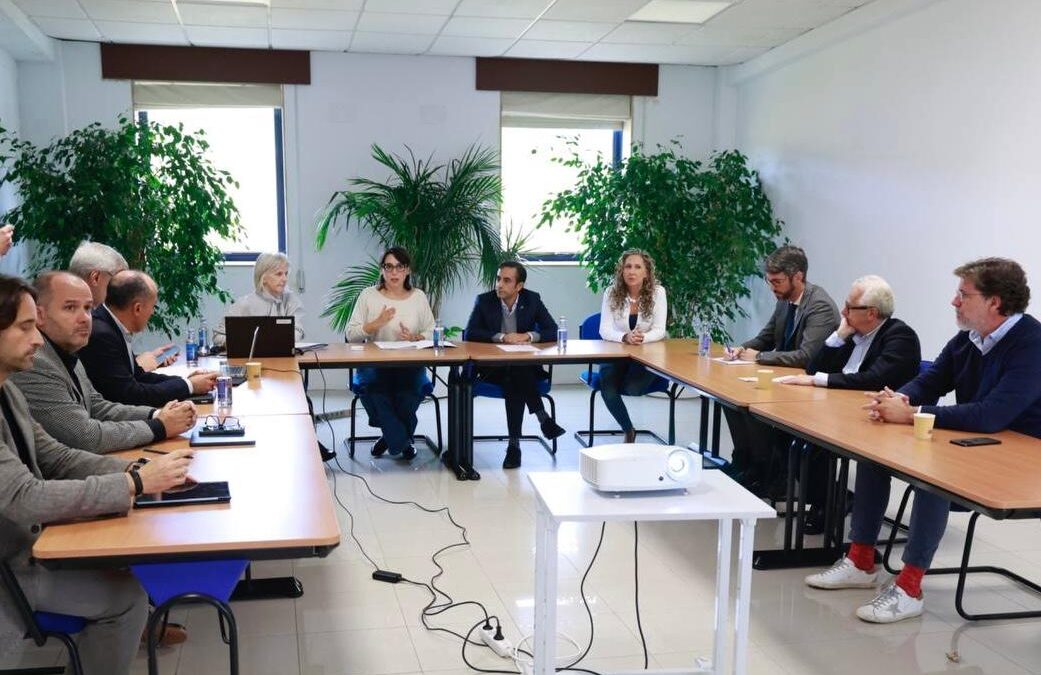
ATIGA meets with the Xunta to discuss the new strategy for industrialising innovation in Galicia
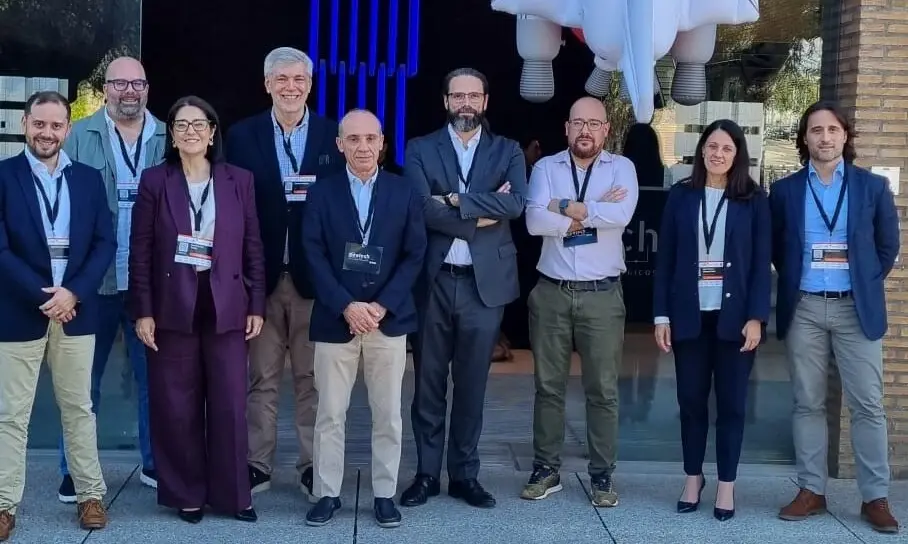
ATIGA at the forefront of Spain’s technological innovation at meetechSpain 2026

ATIGA strengthens its technological leadership after securing over €33 million for R&D&I in 2025

The ICT City of A Coruña is now a reality
Síguenos
