
Support for innovation and knowledge transfer in Galicia: programmes and routes for collaboration
Galicia has instruments to advance research results towards market readiness, develop projects involving several businesses and establish partnerships with knowledge centres.
GAIN runs programmes such as Ignicia, Nexos and joint research units. Igape and CDTI offer other routes to support innovation and business R&D.
Choosing the right instrument requires identifying the work the project needs, who will carry it out and which commitments each participant can undertake.

A company seeking to develop a technology with several partners does not necessarily need the same support as a centre seeking a commercial application for a research result. Nor is commissioning a test the same as maintaining a joint research programme for several years.
Support programmes address these differences. Some fund business projects; others support cooperation or the development of scientific results towards market readiness. Understanding their purpose helps establish which are worth exploring and what preparation each requires.
The first article introduced the organisations within Galicia’s innovation ecosystem. We now turn to the instruments that can help them collaborate.
A framework for connecting research, business and the market
The Galician Business Innovation Strategy, approved in October 2026 with a horizon extending to 2028 and over €400 million, strengthens the connection between knowledge, industry and the market. Its implementation combines existing instruments and new measures to expand businesses’ innovation capabilities and facilitate the industrial application of technologies.
This business framework operates alongside GAIN’s measures for research, valorisation and collaboration between organisations. To navigate the available support, it is useful to distinguish the responsible body, the intended beneficiaries and the activities covered by each instrument.
A strategic priority or an announced programme is not the same as an open call for applications. The governing rules and any amendments determine the specific conditions for participation.
GAIN: support for collaboration and knowledge transfer
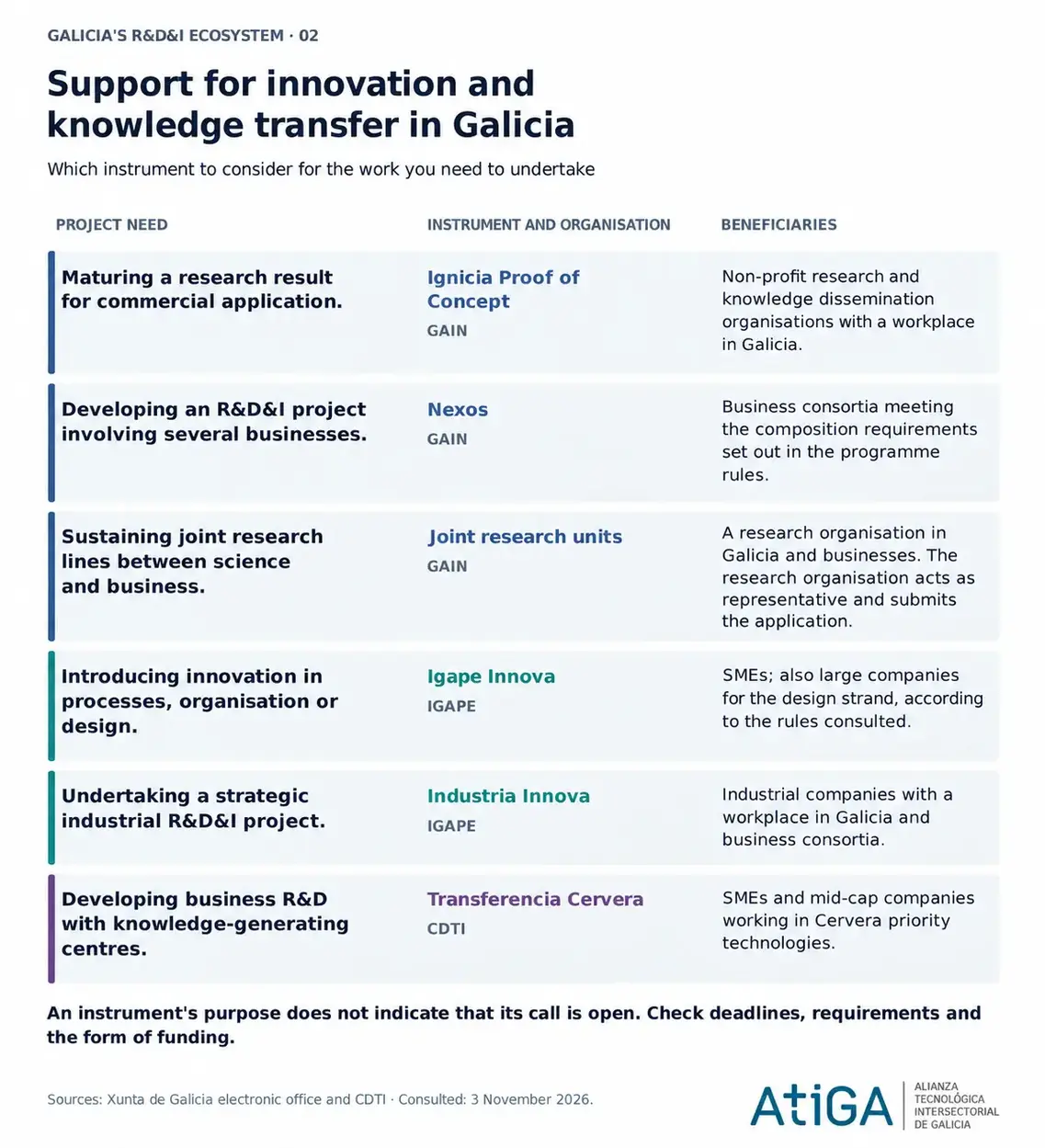
The Galician Innovation Agency’s instruments address different circumstances. Ignicia Proof of Concept, Nexos and joint research units illustrate three ways of bringing knowledge and business activity closer together.
Advancing a result with commercial potential: Ignicia
Ignicia Proof of Concept supports the development of commercial applications for results generated by research organisations. It combines assessment, advice and a development and investment phase to prepare those results for transfer to the market.
Its intended beneficiaries are non-profit research and knowledge-dissemination organisations with a workplace in Galicia, including technology centres that meet the requirements. A company may be interested in these results and their commercial exploitation, but should not view the programme as direct funding for any business project.
The next article will examine Ignicia in detail and explain the relationship between research results, their potential users and routes to commercialisation.
Developing a project between businesses: Nexos
GAIN’s Nexos programme supports collaborative R&D&I projects that are market-oriented and aligned with the priorities of RIS3 Galicia. Its beneficiaries are groups of businesses.
In the call reviewed, groups were required to include between three and six companies and appoint a representative. The proposal had to specify the activities, budgets and responsibilities of the participating businesses.
When preparing this type of collaboration, it is important to identify what each participant contributes to the common objective. Bringing partners together to meet an administrative condition does not ensure a shared project exists: their capabilities must be needed, and how they will work together must be defined.
Sustaining joint research: joint research units
Joint research units provide a framework for collaboration between a research organisation in Galicia and businesses to develop coordinated R&D&I activities.
The establishment scheme reviewed allows one research organisation and up to three companies, including at least one SME. The research organisation represents the unit and applies for funding. Establishing the unit requires an agreement between the parties and a minimum commitment of three years.
This format requires continuity, resources and shared objectives. It may be appropriate when both parties want to sustain a research programme; other forms of collaboration should be considered for a one-off need.
Igape: business-led innovation and development
Igape’s instruments address business innovation needs of differing scope.
Igape Innova funds activities within process and organisational innovation plans, and design plans for innovation and sustainability. The 2026–2027 call allows SMEs to participate in both strands and large companies in the design strand. Suitability depends on the plan’s content and the participation conditions.
Industria Innova targets strategic industrial R&D&I projects. It covers industrial research, experimental development, and process and organisational innovation, and provides for participation by industrial companies with a workplace in Galicia and groups of businesses.
For a company, the distinction matters: improving its innovation capabilities through a plan and undertaking an industrial R&D project involve different requirements. The choice should start with the planned activities, expected results and available resources.
CDTI and connections with knowledge-generating centres
At national level, CDTI’s Cervera Technology Transfer R&D projects support SMEs and mid-cap companies undertaking R&D with the participation of knowledge-generating centres.
The instrument focuses on priority technologies, including advanced materials, the circular economy, the energy transition, smart manufacturing and artificial intelligence. The programme information reviewed requires substantial participation by these centres and provides partially repayable aid.
This route requires assessment of both the technical project and the company’s financial capacity. Partially repayable aid entails repayment obligations that must be considered when preparing the budget and cash-flow plan.
How ATIGA’s centres fit in
ATIGA’s centres — AIMEN, ANFACO-CYTMA, CETIM, CTAG, Gradiant and ITG — bring together capabilities to research, develop and validate technologies across different sectors. Their specific participation will depend on the project and the instrument’s conditions.
A centre may contribute a result that needs further development for commercial use, form part of a long-term partnership or carry out R&D activities for a company. These situations involve different responsibilities and financial relationships.
Before preparing an application, the parties should agree on the work each will undertake, who will provide the resources and how the results may be used. It is also important to distinguish between participating as a beneficiary, collaborating in project delivery and providing a contracted service.
The technical proposal and budget must reflect this allocation. This makes it possible to check whether the planned relationship complies with the governing rules and whether the participants can meet their commitments.
What to check before choosing an instrument
An initial review should address the following questions:
- Who can apply: an individual company, a group of businesses or a research organisation.
- Which activities are eligible: research, experimental development, innovation, design or research results valorisation.
- What collaboration is required: participants, roles and commitments of each organisation.
- How it is financed: own contributions, payments, advances and any repayment obligations.
- When work can begin: the application deadline, implementation period and conditions applicable before incurring costs.
The amount of funding is only one part of the decision. The capacity to deliver the project, preparation time and subsequent obligations also matter.
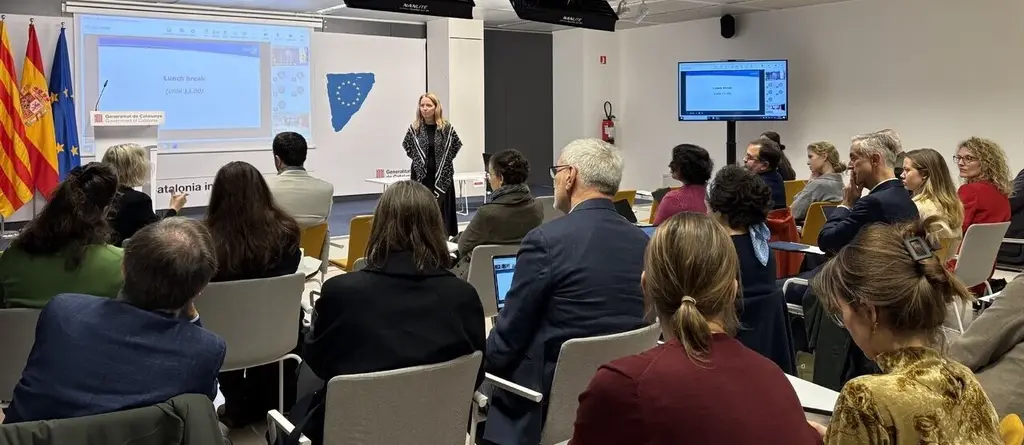
ATIGA examines the future of European R&I funding and opportunities for Galicia in Brussels
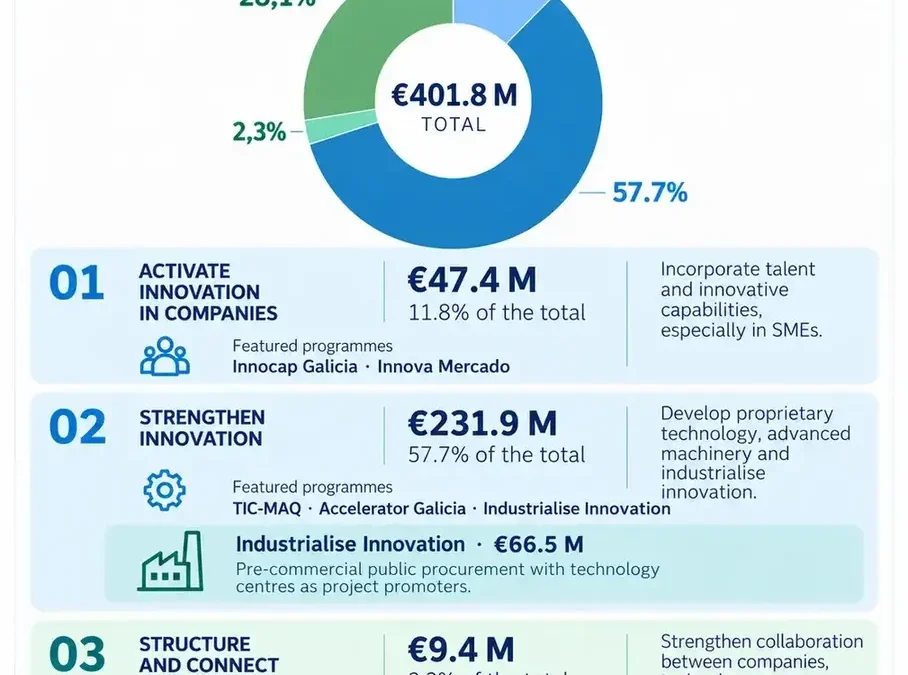
Galicia’s Innovation Strategy to Mobilise Over €400 Million to Bring Innovation into Galician Industry
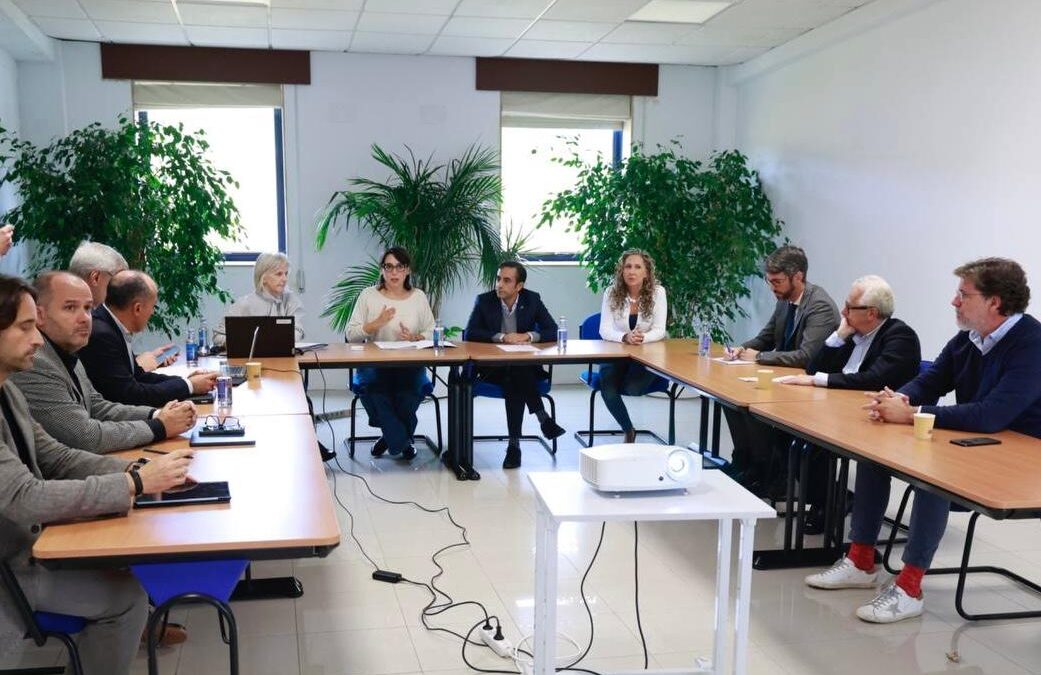
ATIGA meets with the Xunta to discuss the new strategy for industrialising innovation in Galicia
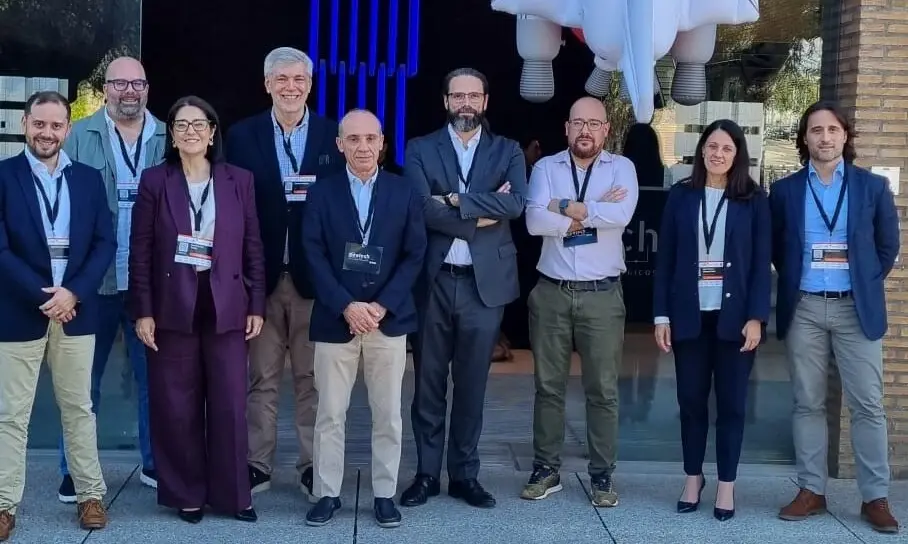
ATIGA at the forefront of Spain’s technological innovation at meetechSpain 2026

ATIGA strengthens its technological leadership after securing over €33 million for R&D&I in 2025

The ICT City of A Coruña is now a reality
Síguenos
