
GAIN’s Ignicia programme: supporting knowledge transfer in Galicia
Ignicia supports the development of commercial applications for research results and strengthens the capabilities needed to bring them to market.
Its Proof of Concept call is aimed at research organisations. Businesses can find opportunities within the projects to access technologies, collaborate on their development or participate in their commercial exploitation.
The programme combines assessment, specialist support and funding, with conditions that need to be understood before proposing an initiative.

A research team develops a material with promising properties. Tests establish its performance, but questions remain before it can become a commercial solution: who needs it, what advantages it offers over alternatives and which tests a company would require before using it.
Answering these questions requires technical and commercial work. The development may need adapting, its costs assessing, potential users identifying or a proposal preparing for prospective industrial partners.
This gap between research results and their application is what Ignicia addresses. It is an initiative of the Galician Innovation Agency — GAIN — to promote the transfer of knowledge generated in Galicia.
What Ignicia is and the role it plays
Ignicia Proof of Concept was launched in 2016 to support results that have progressed beyond fundamental research and need to advance towards validation and commercial exploitation. It forms part of the Galician Research and Innovation Plan 2025–2027 and falls within the priorities of RIS3 Galicia.
The initiative addresses a specific need: having research results does not mean an organisation already has the information, resources and contacts required to turn them into products or services.
Ignicia also includes measures to strengthen knowledge transfer. The agreement between GAIN and FEUGA provides support for valorisation, stronger transfer structures, training and professional development.
These functions complement one another. Projects need to advance their technologies and commercial propositions; the teams supporting them need the capabilities to assess opportunities, manage results and negotiate their use.
Who can apply for Proof of Concept
The call is aimed at non-profit research and knowledge-dissemination organisations with a workplace in Galicia. These include public universities, technology centres listed in the relevant register, centres belonging to the Spanish National Research Council (CSIC) and health research foundations.
The starting point must be an existing result with commercial potential. The rules of the latest call specify a minimum technology readiness level of TRL 4.
For an interested company, this distinction matters: learning about a technology supported by Ignicia does not make it an applicant for that call. Its opportunity may lie in collaborating with the organisation developing the technology or exploring a route to introduce it into its operations.
What work it supports
The Ignicia Proof of Concept rules cover activities following the research result: technical validation, market studies, regulatory matters, opportunity assessment and engagement with companies or investors.
Funding takes the form of a contribution to the beneficiary’s assets that carries financial obligations, including returns linked to commercialisation. The award decision and the corresponding agreements specify these conditions.
This requires more than preparing a list of tests. The project must connect the outstanding development work with an application and a route to exploitation: what still needs to be checked, which resources are required and how the result could reach its users.
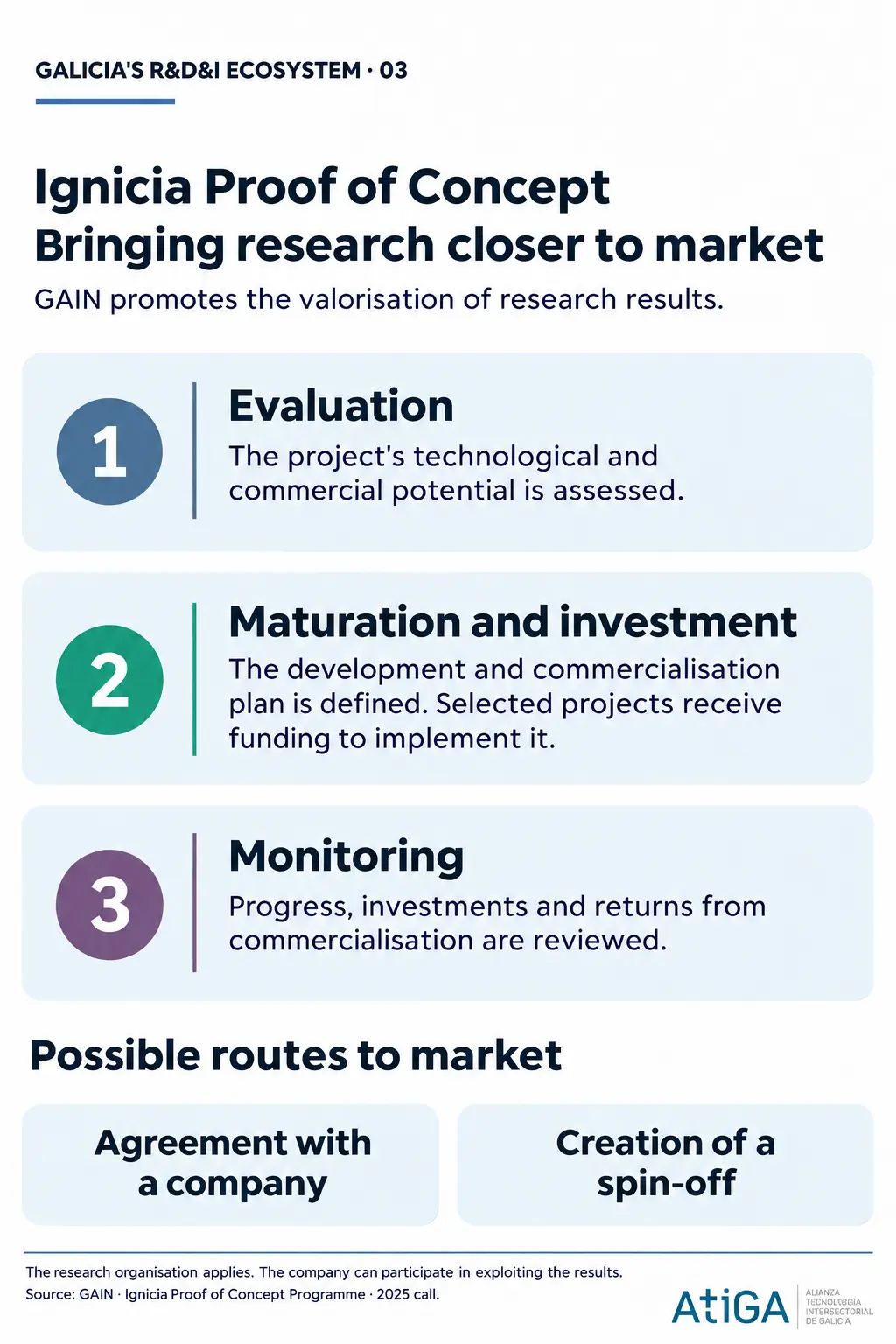
The infographic summarises the programme’s three phases: assessment, development and investment, and monitoring.
How a company can participate
A company can provide crucial information before a finished product exists. It can explain the problem it needs to solve, the performance it considers sufficient and the difficulties it would face in adopting the solution.
Consider the material in the opening example. Its strength may be attractive, but a user company will also need to know how it is processed, whether its properties remain consistent between batches and which changes its equipment would require.
This conversation helps steer development towards specific conditions of use. The parties can then consider joint testing, adaptations or an agreement to exploit the results, depending on the project’s stage.
Initial interest should be distinguished from a formal commitment. Providing samples, participating in validation, negotiating a licence and investing in a new company are different decisions. Each requires clear contributions, responsibilities and conditions for access to knowledge.
Ignicia can help prepare that opportunity. The agreement between the research organisation and the company must define how it will be put into practice.
ATIGA’s centres and opportunities for technology transfer
Technology centres’ participation in Ignicia helps bring their research results closer to business applications. Documented examples within ATIGA illustrate different technologies and routes to commercialisation.
L3DO, from AIMEN, aims to bring a laser-assisted industrial 3D printer to market for use with structural thermoplastics and high-performance composites. GAIN’s dossier identifies the creation of a spin-off as the planned route for commercialising the equipment.
QRYPTION, from Gradiant, is developing a financial cryptography solution to improve the management and protection of cryptographic assets. The centre identifies the project as selected under the 2025 call and potentially leading to a new spin-off.
In March 2026, Gradiant also presented KIUR and DOKKEN, two AI-based spin-offs created within the programme. These cases illustrate the distinction between projects preparing to enter the market and companies that have already been established.
For businesses, learning about the projects offers a way to explore technologies that are available or under development and contact their teams. The specific collaboration will depend on the result’s readiness, existing rights and both parties’ interest.
What results the programme has generated
The Ignicia dossier published by the Xunta in March 2026 records 41 projects supported since 2016. Of these, 16 had achieved commercial success: 13 through spin-offs and three through agreements with industry. A further 21 were ongoing, while four had not achieved their commercialisation objectives.
This breakdown helps put the programme into perspective. Knowledge transfer can require years of work, and results are not guaranteed. It also shows that establishing a company and reaching an industrial agreement are different routes for putting knowledge to use.
Training and support for better knowledge transfer
Preparing knowledge transfer professionals is another part of Ignicia. Activities organised in 2026 have covered collaboration with businesses, valorisation and the commercialisation of results, aimed at research and technology professionals.
The Ignicia Forum 2026 addressed transfer policies, professionalisation and models of collaboration between research, business and public authorities.
These activities strengthen an often less visible part of the process: identifying an opportunity, preparing the information a partner needs and supporting development through to application.
What to do if a technology is of interest
For a company, the first step is to identify the result and contact the centre or its knowledge transfer team. The conversation should clarify:
- What has been demonstrated and which development work remains.
- What the company can contribute as a user, collaborator or potential licensee.
- Which rights and conditions would allow the results to be used.
A research team should work with its organisation’s knowledge transfer unit and discuss the intended application with potential users at an early stage. This contact helps identify requirements that need to be considered when preparing the project.
Understanding Ignicia helps anticipate that work: identifying which result merits further development, who might use it and what is needed to turn technological interest into a viable application.
ATIGA examines the future of European R&I funding and opportunities for Galicia in Brussels
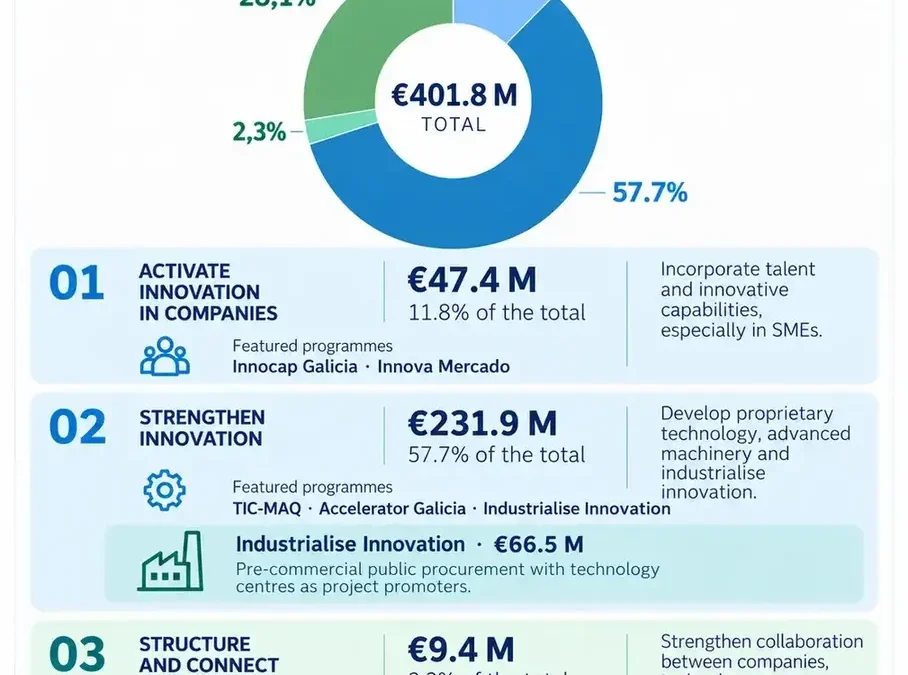
Galicia’s Innovation Strategy to Mobilise Over €400 Million to Bring Innovation into Galician Industry
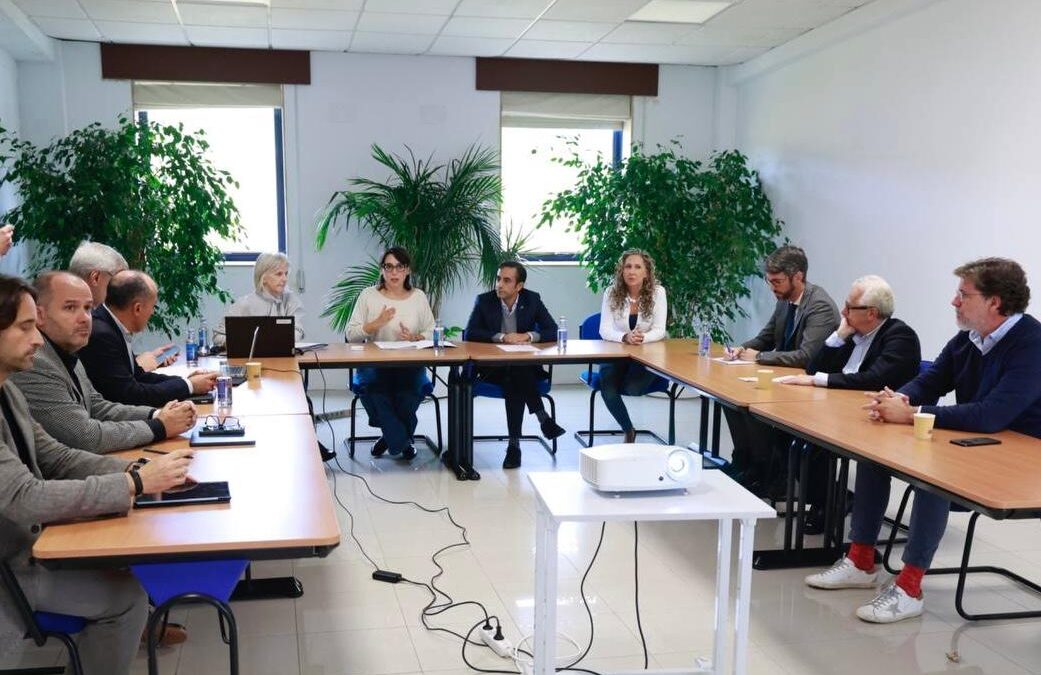
ATIGA meets with the Xunta to discuss the new strategy for industrialising innovation in Galicia
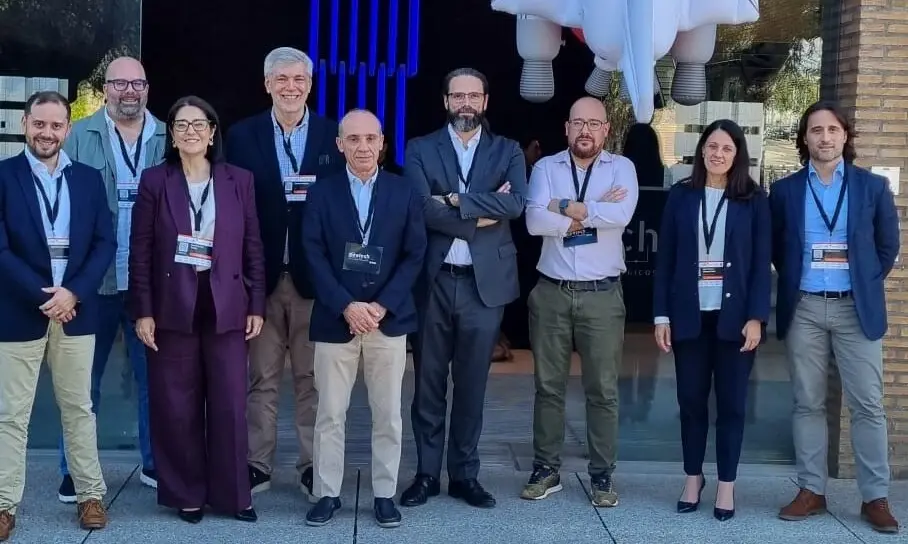
ATIGA at the forefront of Spain’s technological innovation at meetechSpain 2026

ATIGA strengthens its technological leadership after securing over €33 million for R&D&I in 2025

The ICT City of A Coruña is now a reality
Síguenos
