



SUCCESS STORIES


H2020 NICE
Nature-Based Solutions for sustainable management of the urban water cycle in the face of climate change

CETIM validated its own technology across different climatic zones in Europe to improve water quality and mitigate the adverse effects of climate change, achieving the elimination of over 95% of emerging contaminants and the recovery of nutrients for reuse.
The European H2020 NICE project aimed to improve Nature-Based Solutions (NbS) through the development of innovative and efficient approaches for their application in water quality improvement and climate change mitigation —floods and droughts—, contributing to more sustainable urban water management. CETIM participated in the project by leading and guiding the scientific-technical development of various solutions, which were tested in 15 pilot projects across 10 locations in Europe and other regions of the world.
During the project, different improvement techniques and new applications were investigated: the use of adsorptive substrates and microorganisms for the elimination of emerging contaminants, plants for pathogen removal, materials for nutrient recovery, optimisation of aeration for conventional contaminants, and vertical gardens for the treatment and reuse of grey water.
Water management
Climate Change
Nature-Based Solutions
Period


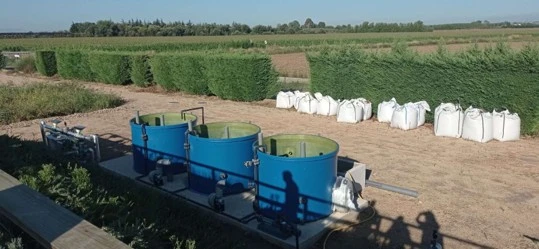
Specifically, the use of innovative and sustainable adsorptive substrates —biochar, coconut fibre and zeolites— was investigated for the elimination of emerging contaminants such as antibiotics, hormones and herbicides. In addition, microorganisms capable of reducing up to 80% of these contaminants were identified, and materials for phosphorus recovery with potential for reuse as a resource were developed.

The sustainability of the solutions was supported by lifecycle cost analyses, which confirmed the advantage of NbS over conventional grey infrastructure alternatives. The H2020 NICE project has thus concluded with very promising results, validating circular water management technologies across different European climatic zones and contributing to a more resilient and sustainable urban model in the face of climate change challenges.